
Gynaecomastia
Overview
Gynaecomastia surgery (sometimes called male breast reduction) is a procedure that may be considered for the management of excess male breast tissue, which can involve glandular tissue, fatty tissue, or both. The aim is to reduce breast prominence and reshape the chest where clinically appropriate. A consultation is required to confirm the cause of breast enlargement, assess suitability, and discuss expected changes and limitations, scarring, risks, recovery, and alternatives.
Add volume to breasts
Reduce sagging
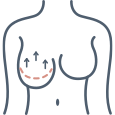
Lift and tighten
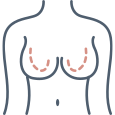
Reshape and contour
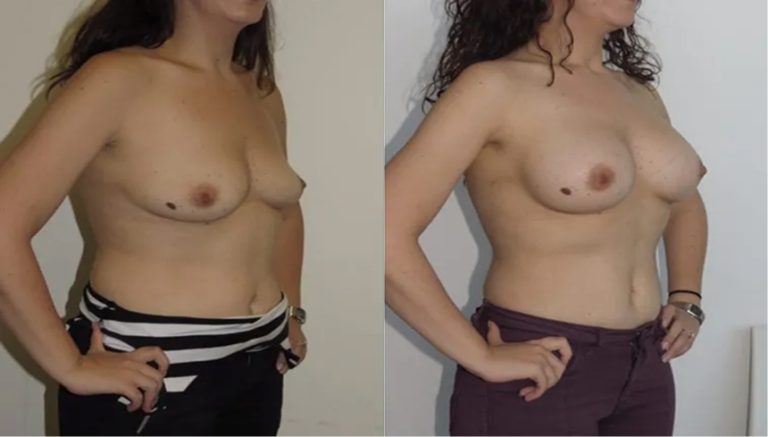
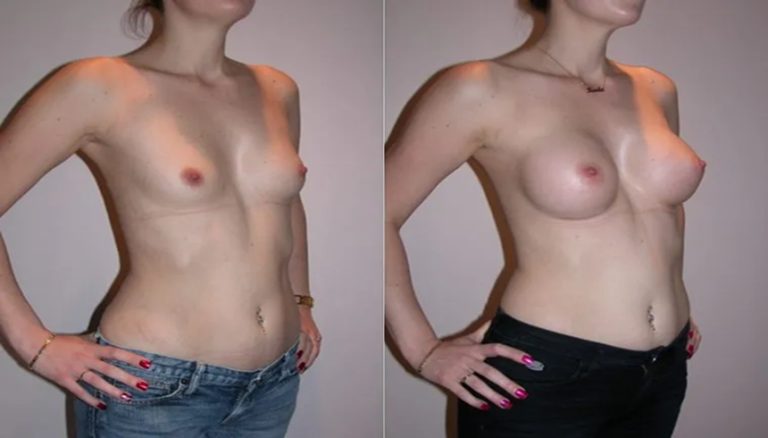
Before & After
The outcomes shown are only relevant for this patient and do not necessarily reflect the results other patients may experience, as results may vary due to many factors including the individual’s genetics, diet and exercise.
Breast Augmentation
Implant Size: 300cc – 450cc
Recovery Timeline: 1–2 weeks light
Tags: Breast Enhancement, Cosmetic Surgery
Breast Augmentation
Implant Size: 300cc – 450cc
Recovery Timeline: 1–2 weeks light
Tags: Breast Enhancement, Cosmetic Surgery

Breast Augmentation
Implant Size: 300cc – 450cc
Recovery Timeline: 1–2 weeks light
Tags: Breast Enhancement, Cosmetic Surgery
Breast Augmentation
Implant Size: 300cc – 450cc
Recovery Timeline: 1–2 weeks light
Tags: Breast Enhancement, Cosmetic Surgery
Breast Augmentation
Implant Size: 300cc – 450cc
Recovery Timeline: 1–2 weeks light
Tags: Breast Enhancement, Cosmetic Surgery

Breast Augmentation
Implant Size: 300cc – 450cc
Recovery Timeline: 1–2 weeks light
Tags: Breast Enhancement, Cosmetic Surgery

About This Procedure
Gynaecomastia is the medical term for benign enlargement of male breast tissue. It can be associated with factors such as hormonal changes, certain medications, genetics, or other medical conditions. A clinical assessment may include history, examination, and investigations where indicated to exclude underlying causes.
Surgical correction typically involves removing excess tissue and may include liposuction, surgical excision of glandular tissue, or a combination. All surgery results in scars, and scar appearance varies between individuals.
Your Consultation with Dr Lajevardi
Dr Sepehr Lajevardi is a highly skilled and experienced plastic surgeon, dedicated to providing exceptional results to each patient. He takes a caring approach, working with patients to create an individualised treatment plan that helps them feel confident in their outcomes. Book your appointment to receive professional care and guidance from Dr Lajevardi, and find out if breast augmentation surgery is right for you.
Key Benefits
Reduction in breast prominence
Change in chest contour
Clothing comfort considerations
Addressing tissue that may not change with lifestyle measures
Complete Breast Guide
Get step-by-step insights, recovery tips, and expert recommendations for your Breast. Download our free guide today.
Ideal Candidate
You May Be a Good Candidate If
You may be a good candidate for gynaecomastia surgery if you:
- Are in good overall physical health
- Have stable weight (where relevant to surgical planning)
- Have chest fullness that you believe is disproportionate and would like assessed
- Have been assessed for contributing factors (e.g., medications, hormonal or medical causes) where indicated
- Understand that scarring is expected and results vary
- Do not smoke or are willing to stop nicotine use for a specified period before and after surgery (as directed)
Who Should Not Undergo This Procedure
Gynaecomastia surgery may not be suitable for individuals who:
- Are significantly overweight where weight change may meaningfully alter chest contour (clinical advice required)
- Are currently using substances or medications known to contribute to gynaecomastia without medical management (risk of recurrence may be higher)
- Have uncontrolled medical conditions that increase surgical risk
- Have an active infection
- Are unable to stop nicotine use where clinically required
- Have unrealistic expectations regarding scarring, symmetry, or outcome variability
Surgical Techniques & Approaches
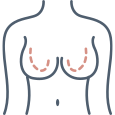
Liposuction:
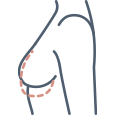
Excision (surgical removal):
Combination approach:
Many cases involve both liposuction and excision. In some patients with more significant skin excess, additional skin tightening/removal may be discussed.
Your surgeon will explain the recommended approach, incision placement, scarring expectations, and trade-offs during consultation.
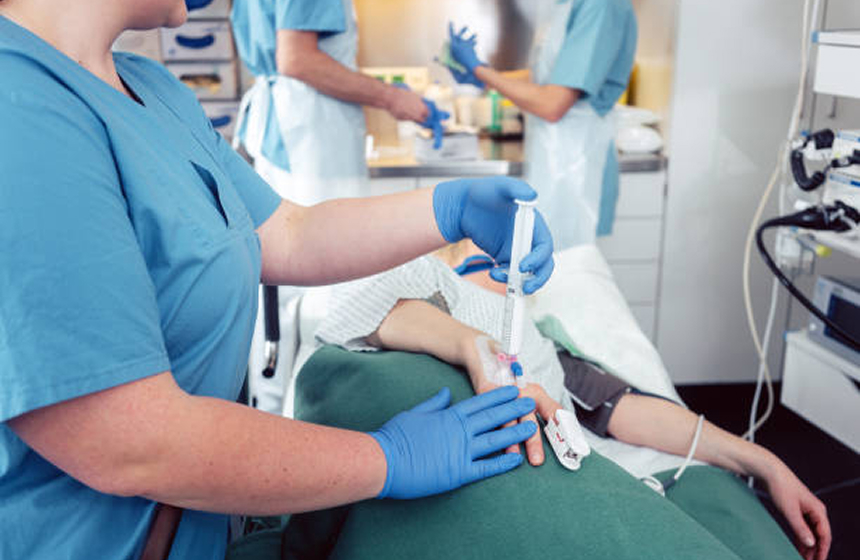
Anesthesia
Pre-Operative Preparation
Preparation typically includes:
- Medical review: including medications, supplements, and relevant investigations where required.
- Medication guidance: you may be asked to stop certain medications/supplements that can increase bleeding risk (where clinically appropriate).
- Nicotine cessation: nicotine can impair healing; you may be asked to stop smoking/vaping/nicotine products for a specified period before and after surgery.
- Fasting instructions: follow the facility’s requirements prior to anaesthesia.
- Support planning: arrange transport and post-operative support after discharge.
Recovery Process
Timeline
Activity & Expectations
Immediately Post-Op
Weeks 2–4
Recovery Milestones
Return to Work
Return to Exercise
Appearance over time
Resources & Guides
A breast augmentation is a very customized procedure, and selecting an experienced surgeon is paramount. Dr. Lajevardi focuses on patient safety, naturally appearing results, and transparency throughout the process.
Patient Preparation Guide
Procedure Walkthroughs
Patient Preparation Guide
Frequently Asked Questions
Procedure & Results
How long does gynaecomastia surgery take?
Will I have noticeable scars?
How long will the results last?
Pain & Recovery
Is the gynaecomastia procedure painful?
When can I shower after surgery?
Safety & Credentials
Where will the surgery be performed?
Surgery is performed in an appropriate licensed surgical facility or hospital setting. Facility details and aftercare arrangements will be discussed during consultation.