MED0001602957. This website contains imagery that is only suitable for audiences 18+. Any surgical or invasive procedure carries risks.

Anti Wrinkles

Wrinkle‑relaxing treatment options in Sydney for dynamic facial line concerns

Overview

Anti-wrinkle treatment refers to clinical options that may be used to address dynamic facial lines (lines that form with expression). Treatment planning is individualised and begins with a consultation to assess facial movement, anatomy, medical history, and suitability. Some treatment plans may involve prescription-only medicines, which can only be provided where clinically appropriate by an authorised prescriber. Results, dose requirements, and duration vary between individuals, and side effects can occur.
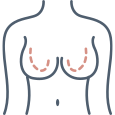
Add volume to breasts

Add volume to breasts

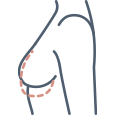
Reduce sagging

Reduce sagging

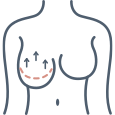
Lift and tighten

Lift and tighten

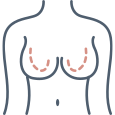
Reshape and contour

Reshape and contour

Why Consider Breast Augmentation?

  • Numerous women select breast augmentation to
  • Enlarge naturally small breasts
  • Re-establish lost volume post-pregnancy or weight gain
  • Refine asymmetry for a better-balanced look
  • Re-create a more youthful, full contour

While outcomes are not the same, the procedure can yield long-lasting enhancements in looks and confidence. But keep realistic expectations in mind—individual results are based on body type, implant choice, and healing.

Add volume to breasts

Add volume to breasts

Reduce sagging

Reduce sagging

Lift and tighten

Lift and tighten

Reshape and contour

Reshape and contour

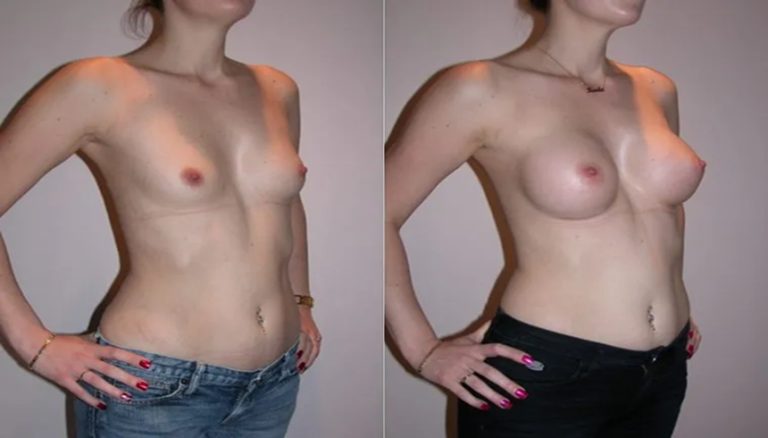
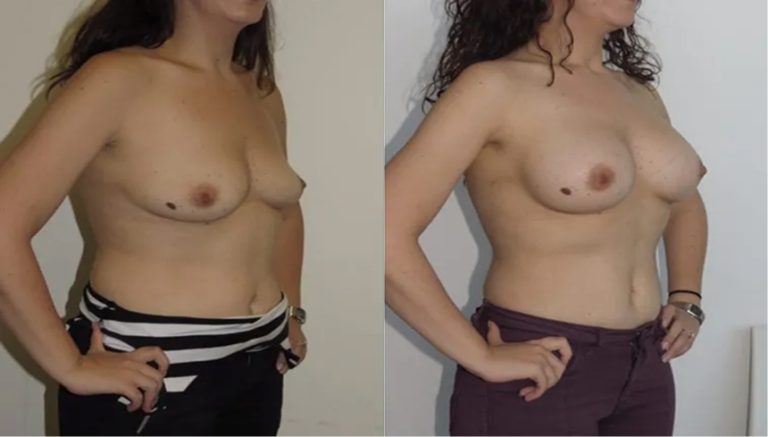
Before & After

The outcomes shown are only relevant for this patient and do not necessarily reflect the results other patients may experience, as results may vary due to many factors including the individual’s genetics, diet and exercise.

About This Procedure

Dynamic lines most commonly appear in areas such as the forehead, between the brows, and around the eyes. After assessment, a clinician may recommend a plan to temporarily modify the activity of selected facial muscles. The approach (including treatment sites and amount) is tailored to your anatomy and goals. Treatment does not stop the ageing process and ongoing maintenance may be required if you choose to continue. The degree of change and how long it lasts varies between individuals.

Key Benefits

The aim of treatment is to reduce the appearance of specific dynamic lines when clinically appropriate. Potential observable changes may include:
Softening the appearance of expression lines in treated areas (degree of change varies).
A change in facial movement patterns in selected muscles (individual variation applies).
In some patients, reduction in the prominence of lines at rest over time (not guaranteed).
Outcomes vary and depend on anatomy, baseline muscle activity, dose, and healing response.

Complete Non-Surgical Guide

Get step-by-step insights, recovery tips, and expert recommendations for your Non-Surgical. Download our free guide today.
non-surgical-icon

Ideal Candidate

A suitable candidate is generally a healthy adult seeking assessment for options to address dynamic facial lines, who understands that outcomes and duration vary and that side effects are possible. A consultation is required to confirm suitability and to discuss alternatives, expected downtime, and risks.

You May Be a Good Candidate If

  • You are seeking a clinical assessment for options to address dynamic lines.
  • You understand that results and longevity vary and that maintenance may be required.
  • You can follow aftercare instructions (e.g., activity restrictions for a period after treatment if advised).
  • You are not pregnant or breastfeeding (treatment may not be recommended).

Who Should Not Undergo This Procedure

  • You are pregnant or breastfeeding.
  • You have an active infection at the proposed treatment site.
  • You have certain neuromuscular conditions or are taking medicines that may affect suitability (your clinician will assess).
  • You cannot follow aftercare instructions or have unrealistic expectations about outcomes.

Surgical Techniques & Approaches

Technique selection is individual and based on your anatomy, goals and safety considerations. Options may include:
  • Assessment‑led treatment planning: areas are selected based on movement patterns and anatomy.
  • Conservative dosing (where appropriate): may be used to prioritise safety and natural movement.
  • Follow‑up review: may be recommended to assess response and discuss next steps.
Your clinician/surgeon will explain the recommended approach and expected trade‑offs during consultation.

Anesthesia

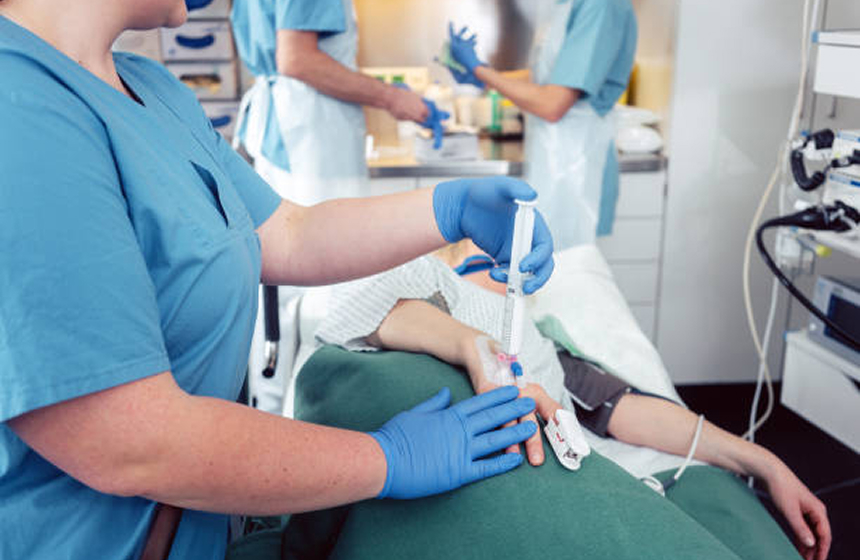
These treatments are usually performed without general anaesthesia. Depending on the area, topical anaesthetic or local measures may be used.

Pre-Operative Preparation

You will receive individual instructions. Common requirements may include:

Recovery Process

Common short-term effects can include redness, swelling, or bruising at injection sites. Headache can occur. Less common complications may include asymmetry, eyelid or brow droop, double vision, or unintended muscle weakness. Downtime varies—some people return to usual activities the same day, while others prefer a short period of social downtime due to bruising. Your clinician will provide aftercare instructions and advise when to contact the clinic.

Timeline

Activity & Expectations

Immediately Post‑Treatment
Small bumps, redness, or mild swelling may occur and usually settle within hours to days. Bruising is possible.

First 24 Hours

Follow aftercare instructions. Avoid rubbing the area and strenuous exercise, sauna/steam, or facial massage if advised.

Days 3–14

Onset and peak effect typically develop over several days to two weeks (varies).

Weeks 10–16+

Effect gradually reduces over time; repeat treatment timing varies and is discussed during review.

Recovery Milestones

Return to Work

often same day or next day, depending on bruising and comfort.

Return to Exercise

commonly 24 hours, or as advised.

Assessing outcome

usually assessed around 2 weeks, but this varies.

Resources & Guides

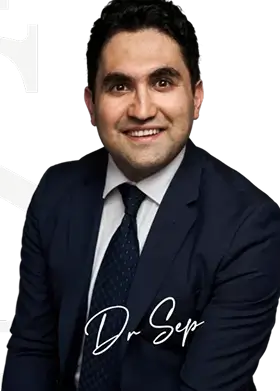
A breast augmentation is a very customized procedure, and selecting an experienced surgeon is paramount. Dr. Lajevardi focuses on patient safety, naturally appearing results, and transparency throughout the process.

Frequently Asked Questions

Procedure & Results

How long does the treatment take?

Appointment time varies by areas treated and assessment requirements.
Duration varies; your clinician will discuss typical ranges for your circumstances.
Risks vary and can include bruising, swelling, headache, asymmetry, eyelid/brow heaviness, and other uncommon complications. A clinician will explain risks relevant to you.

Pain & Recovery

Is it painful?

Discomfort is usually brief. Sensation varies by area and individual.
Timing depends on skin integrity and advice; commonly after several hours if there is no broken skin.
Avoid rubbing/massaging the area and follow your aftercare plan. Your clinician will provide specific guidance.

Safety & Credentials

Who can perform this treatment?

These treatments should be provided by appropriately qualified and trained health practitioners in accordance with Australian regulations.
You can check a practitioner’s registration on the AHPRA public register.
Any surgical or invasive procedure carries risks. Before proceeding, you should seek a second opinion from an appropriately qualified health practitioner.

Get Your Non-Surgical Guide

Enter your details below to access the free guide instantly.