Ponytail Facelift
Overview
“Ponytail facelift” is a non‑standard term commonly used to describe a group of short‑scar/temporal lift approaches that may be used to reposition tissues in the upper and mid‑face in selected patients.
Technique selection depends on anatomy and the areas being addressed.
A consultation is required to confirm suitability and to discuss expected change, scarring, recovery, and risks.
Scars are always present after surgery and vary in appearance.
Add volume to breasts
Reduce sagging
Lift and tighten
Reshape and contour
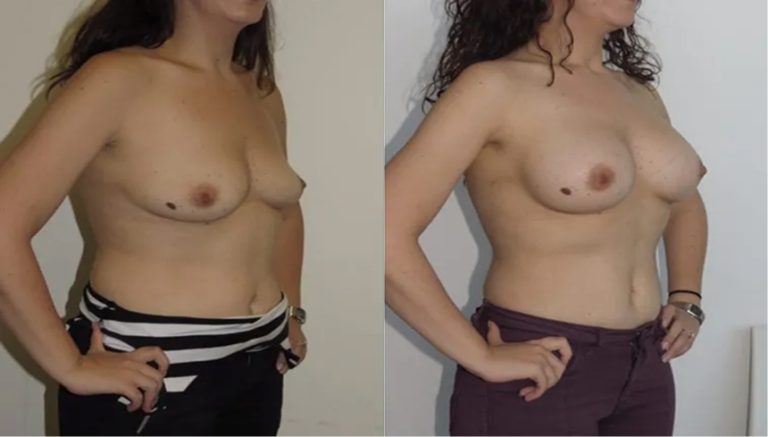
Before & After
The outcomes shown are only relevant for this patient and do not necessarily reflect the results other patients may experience, as results may vary due to many factors including the individual’s genetics, diet and exercise.
Breast Augmentation
Implant Size: 300cc – 450cc
Recovery Timeline: 1–2 weeks light
Tags: Breast Enhancement, Cosmetic Surgery
Breast Augmentation
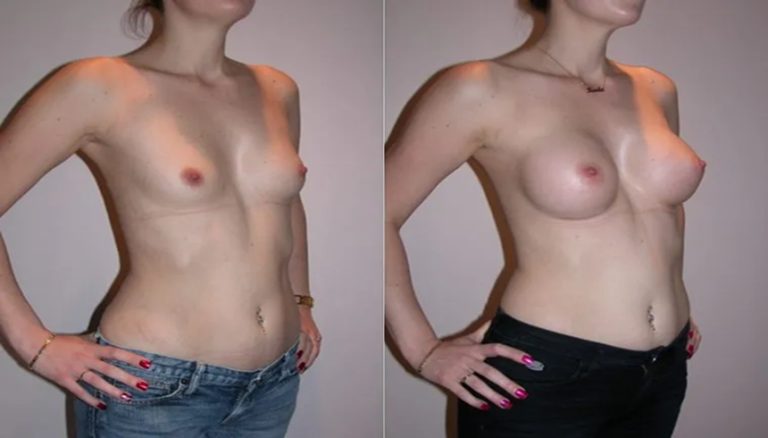
Implant Size: 300cc – 450cc
Recovery Timeline: 1–2 weeks light
Tags: Breast Enhancement, Cosmetic Surgery
Breast Augmentation
Implant Size: 300cc – 450cc
Recovery Timeline: 1–2 weeks light
Tags: Breast Enhancement, Cosmetic Surgery
Breast Augmentation
Implant Size: 300cc – 450cc
Recovery Timeline: 1–2 weeks light
Tags: Breast Enhancement, Cosmetic Surgery
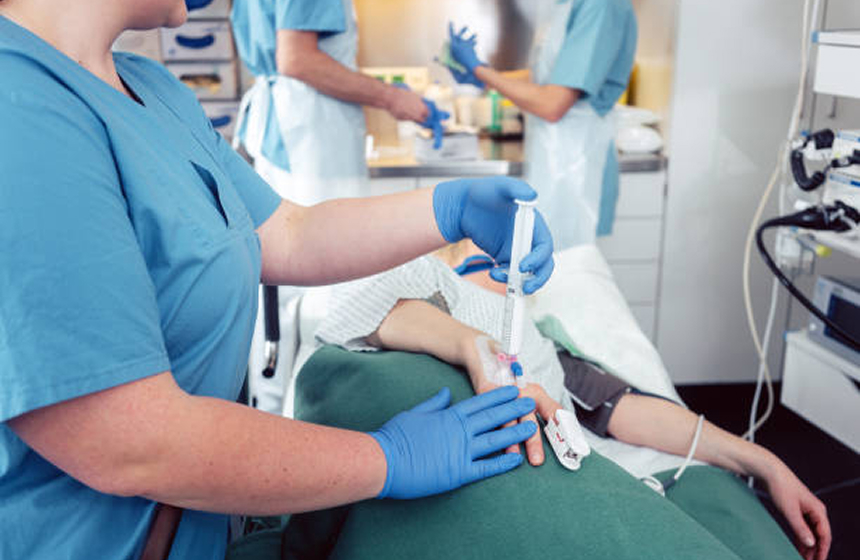
Breast Augmentation
Implant Size: 300cc – 450cc
Recovery Timeline: 1–2 weeks light
Tags: Breast Enhancement, Cosmetic Surgery
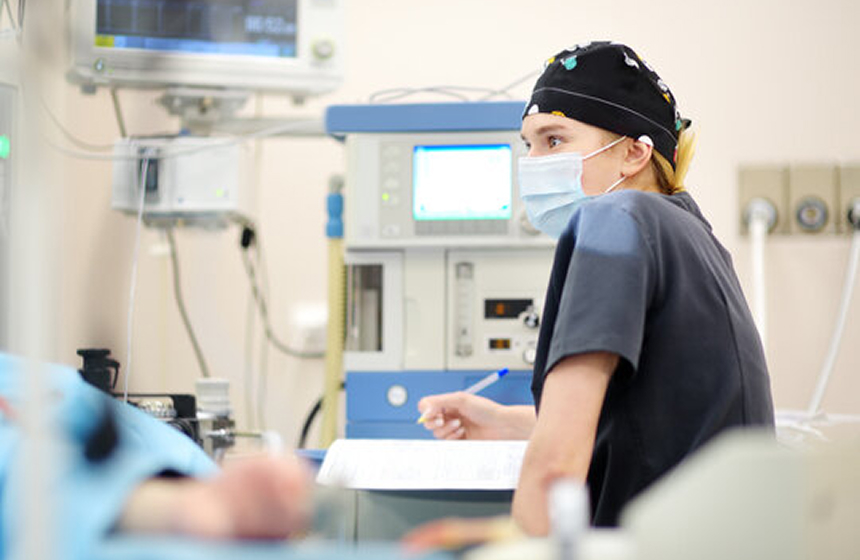
Breast Augmentation
Implant Size: 300cc – 450cc
Recovery Timeline: 1–2 weeks light
Tags: Breast Enhancement, Cosmetic Surgery

About This Procedure
Short‑scar/temporal lift (techniques) approaches often involve incisions within the hair‑bearing scalp and/or around the ear, with tissue repositioning and fixation.
They may be discussed for selected patterns of laxity and do not suit all patients.
Your surgeon will assess facial structure, skin quality, and the degree of laxity before recommending an approach.
Your Consultation with Dr Lajevardi
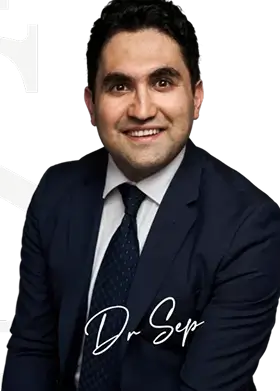
Dr Sepehr Lajevardi is a highly skilled and experienced plastic surgeon, dedicated to providing exceptional results to each patient. He takes a caring approach, working with patients to create an individualised treatment plan that helps them feel confident in their outcomes. Book your appointment to receive professional care and guidance from Dr Lajevardi, and find out if breast augmentation surgery is right for you.
Key Benefits
In selected cases, less extensive incision patterns compared with some traditional facelift approaches (trade‑offs apply).
Complete Face Guide
Get step-by-step insights, recovery tips, and expert recommendations for your Face. Download our free guide today.
Ideal Candidate
A suitable candidate is generally a healthy adult seeking assessment for upper/mid‑face lift options, with realistic expectations about scarring, recovery, and variability.
You May Be a Good Candidate If
- You have mild to moderate facial laxity in areas that may suit a limited approach (assessment required).
- You are open to discussing whether a limited approach is suitable or whether a different procedure is recommended.
- You understand that results vary and scars are permanent.
- You can stop nicotine use as directed and follow aftercare instructions.
Who Should Not Undergo This Procedure
- You have significant lower‑face/neck laxity where a different approach may be recommended (assessment required).
- You have uncontrolled medical conditions that increase surgical risk.
- You are unable to stop nicotine use where clinically required.
- You have unrealistic expectations about outcomes or scarring.
Surgical Techniques & Approaches
- Limited‑incision facelift approaches (selected cases): technique and incision placement depend on anatomy.
- Tissue repositioning: may involve SMAS/other layers depending on the plan.
- Combination planning: in selected cases, neck procedures or other facial procedures may be recommended instead.
Your clinician/surgeon will explain the recommended approach and expected trade‑offs during consultation.
Anesthesia
Commonly performed under general anaesthesia, depending on the extent of surgery.
Pre-Operative Preparation
- Medication and supplement review, including anything that can increase bleeding risk (as advised).
- Nicotine cessation for the recommended period before and after treatment/surgery (if applicable).
- Planning time off work, transport, and at-home support (where relevant).
- Fasting instructions prior to anaesthesia (if applicable).
- Pre-operative assessments/tests as advised by your treating team.
Recovery Process
Recovery varies based on the extent of surgery. Swelling, bruising, tightness, and temporary numbness can occur. Risks include bleeding/haematoma, infection, scarring, asymmetry, nerve injury (rare), hairline changes, and the possibility of revision surgery. Scar care is important as scars mature over months.
Timeline
Activity & Expectations
Immediately Post‑Op
First 48 Hours
Week 1
Weeks 2–4
Longer‑term contour and scar appearance continue to evolve.
Recovery Milestones
Resources & Guides
A breast augmentation is a very customized procedure, and selecting an experienced surgeon is paramount. Dr. Lajevardi focuses on patient safety, naturally appearing results, and transparency throughout the process.
Patient Preparation Guide
Procedure Walkthroughs
Patient Preparation Guide
Frequently Asked Questions
Procedure & Results
Is “ponytail facelift” a specific procedure?
Will I have scars?
Yes. Incisions are required and scars are permanent. Visibility varies.
What are the risks?
Pain & Recovery
Is recovery painful?
When can I shower?
How long will swelling last?
Swelling can take weeks to months to settle; individual variation is expected.
Safety & Credentials
Where is surgery performed?
How do I verify registration?
Important Safety Information
Any surgical or invasive procedure carries risks. Before proceeding, you should seek a second opinion from an appropriately qualified health practitioner.