
Breast Reduction
Breast Reduction (Reduction Mammaplasty) in Sydney
Overview
Breast reduction surgery (reduction mammaplasty) is a surgical procedure that removes excess breast tissue and skin to reduce breast size and weight and reshape the breasts. It is often considered by people who experience physical symptoms associated with breast size, such as discomfort in the neck, shoulders, or back, or skin irritation beneath the breasts. A consultation is required to assess suitability, discuss expected changes and limitations, and provide information about risks, scarring, recovery, and alternatives.
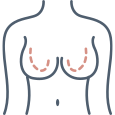
Add volume to breasts
Reduce sagging
Lift and tighten
Reshape and contour
Why Consider Breast Augmentation?
- Numerous women select breast augmentation to
- Enlarge naturally small breasts
- Re-establish lost volume post-pregnancy or weight gain
- Refine asymmetry for a better-balanced look
- Re-create a more youthful, full contour
While outcomes are not the same, the procedure can yield long-lasting enhancements in looks and confidence. But keep realistic expectations in mind—individual results are based on body type, implant choice, and healing.
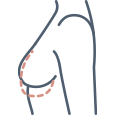
Add volume to breasts
Reduce sagging
Lift and tighten
Reshape and contour
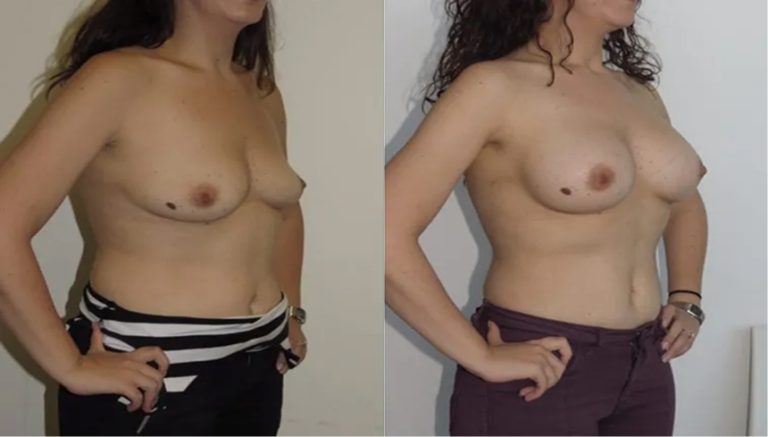
Before & After
The outcomes shown are only relevant for this patient and do not necessarily reflect the results other patients may experience, as results may vary due to many factors including the individual’s genetics, diet and exercise.
Breast Augmentation
Implant Size: 300cc – 450cc
Recovery Timeline: 1–2 weeks light
Tags: Breast Enhancement, Cosmetic Surgery
Breast Augmentation
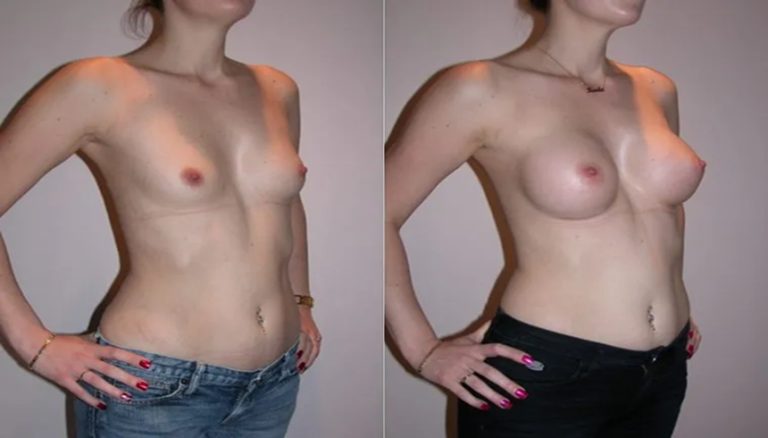
Implant Size: 300cc – 450cc
Recovery Timeline: 1–2 weeks light
Tags: Breast Enhancement, Cosmetic Surgery

Breast Augmentation
Implant Size: 300cc – 450cc
Recovery Timeline: 1–2 weeks light
Tags: Breast Enhancement, Cosmetic Surgery
Breast Augmentation
Implant Size: 300cc – 450cc
Recovery Timeline: 1–2 weeks light
Tags: Breast Enhancement, Cosmetic Surgery
Breast Augmentation
Implant Size: 300cc – 450cc
Recovery Timeline: 1–2 weeks light
Tags: Breast Enhancement, Cosmetic Surgery

Breast Augmentation
Implant Size: 300cc – 450cc
Recovery Timeline: 1–2 weeks light
Tags: Breast Enhancement, Cosmetic Surgery

About This Procedure
Breast reduction (reduction mammaplasty) involves removing excess breast tissue (glandular and fatty tissue) and skin and reshaping the breast. The nipple-areola complex is repositioned where clinically appropriate. The extent of tissue removal and the final shape depend on anatomy, skin quality, and surgical planning.
All surgery results in scars. Scar placement and visibility vary between individuals.
Your Consultation with Dr Lajevardi
Dr Sepehr Lajevardi is a highly skilled and experienced plastic surgeon, dedicated to providing exceptional results to each patient. He takes a caring approach, working with patients to create an individualised treatment plan that helps them feel confident in their outcomes. Book your appointment to receive professional care and guidance from Dr Lajevardi, and find out if breast augmentation surgery is right for you.
Key Benefits
Reduction in breast size and weight
Change in physical symptoms
Change in skin irritation
Change in clothing fit
some people notice changes in how clothing fits; this varies.
Complete Breast Guide
Get step-by-step insights, recovery tips, and expert recommendations for your Breast. Download our free guide today.
Ideal Candidate
You May Be a Good Candidate If
- Are in good overall physical health
- Have breasts that you feel are disproportionately large or heavy
- Experience symptoms you believe may be related to breast size (for example, neck/shoulder/back discomfort or shoulder strap grooving)
- Experience recurrent skin irritation beneath the breasts
- Are at a stable weight
- Understand scarring is expected and results vary
- Do not smoke or are willing to stop nicotine use for a specified period before and after surgery (as directed)
Who Should Not Undergo This Procedure
Breast reduction may not be suitable for individuals who:
- Have uncontrolled medical conditions that increase surgical risk
- Have an active infection
- Are currently pregnant or breastfeeding
- Are unable to stop nicotine use where clinically required
- Are planning significant weight changes in the near future (as this may affect surgical planning and outcomes)
- Have unrealistic expectations about outcomes or scarring
Surgical Techniques & Approaches
Breast reduction is individualised. The technique depends on breast size, degree of ptosis (droop), skin quality, and the amount of reduction planned. Common approaches may include:
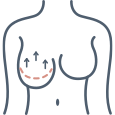
Inverted-T (Anchor) pattern:
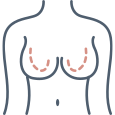
Vertical (Lollipop) pattern:
Incisions typically around the areola and vertically down to the fold. Often considered for moderate reductions in selected patients.
Liposuction-assisted reduction (selected cases):
May be considered where reduction is largely fatty tissue and skin excess is limited. This does not suit all patients.
Your surgeon will explain the recommended technique, incision placement, scarring expectations, and trade-offs.
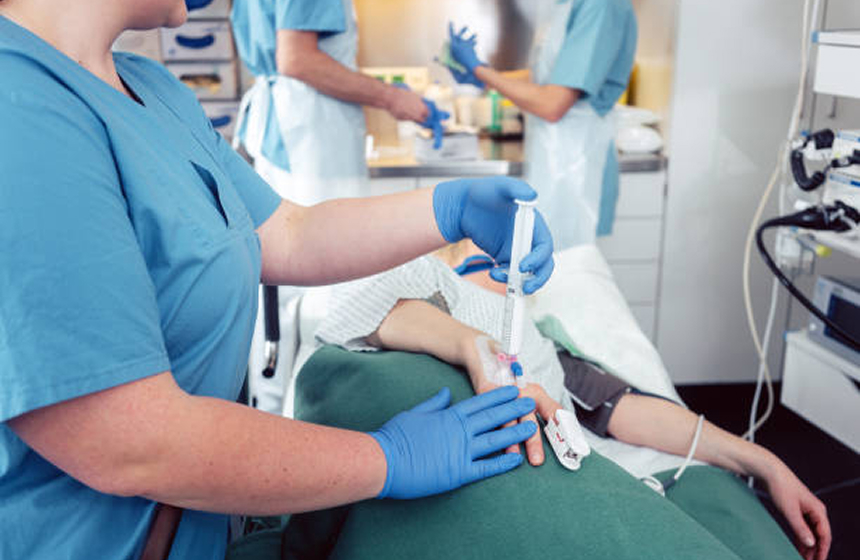
Anesthesia
Pre-Operative Preparation
- Medical review: history, medications and supplements, and relevant investigations (where required).
- Medication guidance: you may be asked to stop certain medications/supplements that can increase bleeding risk (where clinically appropriate).
- Nicotine cessation: nicotine can impair healing; you may be asked to stop smoking/vaping/nicotine products for a specified period before and after surgery.
- Fasting instructions: follow the facility’s requirements prior to anaesthesia.
- Support planning: arrange transport and post-operative support, especially if general anaesthesia is used.
Recovery Process
Recovery varies between individuals and depends on the extent of surgery and healing.
Timeline
Activity & Expectations
Immediately Post-Op
Monitoring occurs in recovery. Dressings and a surgical bra/support garment may be applied. Drowsiness, nausea, swelling, and discomfort can occur.
Ongoing changes in swelling and breast shape occur. Scar care may be discussed based on wound healing.
Recovery Milestones
Return to Work
Return to Exercise
Appearance over time
Changes in swelling and breast shape occur over months. Scar maturation continues over a longer period. There is no single timeline that applies to everyone.
Resources & Guides
A breast augmentation is a very customized procedure, and selecting an experienced surgeon is paramount. Dr. Lajevardi focuses on patient safety, naturally appearing results, and transparency throughout the process.
Patient Preparation Guide
Procedure Walkthroughs
Patient Preparation Guide
Frequently Asked Questions
Procedure & Results
How long does the surgery take?
Timing varies depending on the extent of reduction and technique. Your surgeon will provide an estimate during consultation.
Will I have noticeable scars?
All breast reduction techniques create scars. Incision placement depends on the technique used. Scar visibility varies based on individual healing, skin type, and aftercare.
How long will the results last?
Longevity varies. Weight changes, pregnancy, and ageing can affect breast size and shape over time. Scars will continue to mature and may change in appearance.
Pain & Recovery
Is the procedure painful?
Discomfort varies. Many people experience soreness and tightness early in recovery. Your clinician will provide pain management guidance.
When can I shower after surgery?
This depends on dressings, incision healing, and your surgeon’s instructions. You will receive written guidance before discharge. Submerging incisions (bath/pool/ocean) is usually restricted for a period.
When can I return to exercise?
This varies depending on the extent of surgery and healing. Light walking is often encouraged early, while strenuous activity is restricted until cleared by your surgeon.
Safety & Credentials
Where will the surgery be performed?
Surgery is performed in an appropriate licensed surgical facility or hospital setting. The facility and aftercare arrangements will be discussed during consultation.
What are the risks associated with Breast Reduction?
Risks include bleeding, infection, scarring, delayed wound healing, asymmetry, contour irregularity, changes in nipple or breast sensation, and anaesthetic risks. Some patients may experience changes in breastfeeding ability. A detailed discussion of risks and alternatives will occur during consultation.
Important Safety Information
Any surgical or invasive procedure carries risks. Before proceeding, you should seek a second opinion from an appropriately qualified health practitioner.