This website contains imagery that is only suitable for audiences 18+. Any surgical or invasive procedure carries risks.
A breast lift, also known as mastopexy, is a surgical procedure that repositions and reshapes breast tissue and may reposition the nipple and areola where clinically appropriate. It is commonly considered when breast position has changed over time due to factors such as ageing, pregnancy, breastfeeding, or weight changes. The procedure typically involves removing excess skin and adjusting underlying tissues. A consultation is required to assess suitability and to discuss expected changes, limitations, scarring, risks, recovery, and alternatives.
A breast lift (mastopexy) involves reshaping the breast and adjusting breast position by removing excess skin and repositioning tissues. The nipple-areola complex may be repositioned depending on anatomy and surgical planning. A breast lift does not primarily aim to change breast volume, although it may be combined with other procedures such as augmentation or reduction when clinically appropriate and agreed as part of a treatment plan.
All surgery results in scars. Scar placement and appearance vary between individuals.
A breast lift is commonly considered for breast ptosis (sagging) and changes in breast position. Depending on anatomy and surgical plan, potential physical changes may include:
– Change in breast position: repositioning of the breast mound and, where appropriate, the nipple-areola complex.
– Change in breast shape: reshaping of breast tissue may change contour and projection in some patients.
– Change in areola size (selected cases): areolar size may be adjusted where clinically appropriate.
– Change in clothing fit: some people report changes in bra or clothing fit; this varies.
Outcomes vary and depend on individual anatomy, skin quality, healing, and technique used
A suitable candidate is generally a physically healthy adult with fully developed breasts who is seeking assessment for lifting and reshaping breast position and understands that outcomes and scarring vary. Candidates should have realistic expectations about recovery and limitations. A consultation is required to confirm suitability and determine whether a lift alone or a combined procedure may be appropriate.
You May Be a Good Candidate If
You may be a good candidate for a breast lift if you:
– Are in good overall physical health
– Have breasts that have changed position or shape over time
– Have nipples/areolae that sit lower than desired or point downward (as assessed clinically)
– Are at a stable weight
– Understand that scarring is expected and results vary
– Do not smoke or are willing to stop nicotine use for a specified period before and after surgery (as directed)
A breast lift may not be suitable for individuals who:
– Are currently pregnant or breastfeeding
– Have uncontrolled medical conditions that increase surgical risk
– Have an active infection
– Are unable to stop nicotine use where clinically required
– Are planning significant weight changes in the near future (as this can affect planning and outcomes)
– Have unrealistic expectations about outcomes or scarring
A breast lift is individualised. The technique depends on the degree of ptosis, skin excess, breast tissue characteristics, and the agreed surgical plan. Common incision patterns may include:
– Periareolar lift (Donut mastopexy): incision around the areola, sometimes considered for limited lifting in selected patients.
– Vertical lift (Lollipop mastopexy): incision around the areola with a vertical incision to the breast crease, often considered for moderate ptosis in selected patients.
– Inverted-T / Anchor lift: incisions around the areola, vertically down, and along the inframammary fold, often used where greater skin removal and reshaping is required.
Your surgeon will explain the recommended approach, incision placement, scar expectations, and trade-offs during consultation
Anesthesia
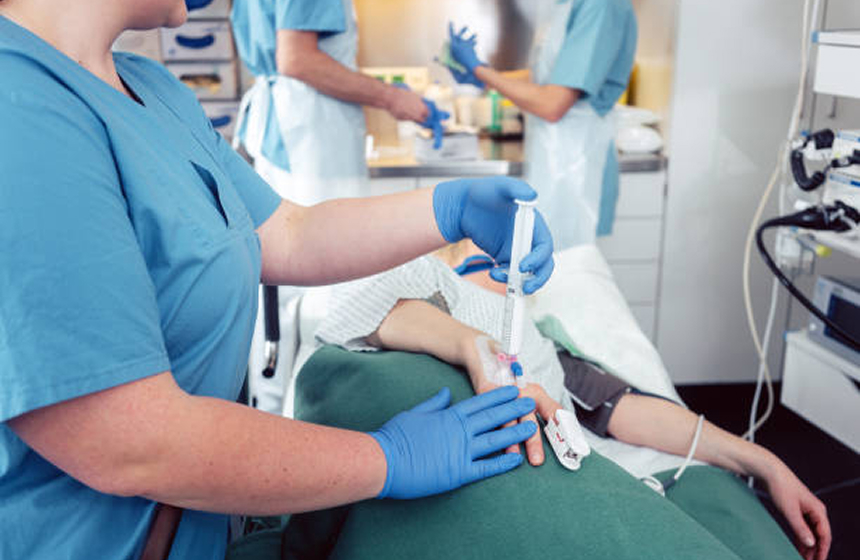
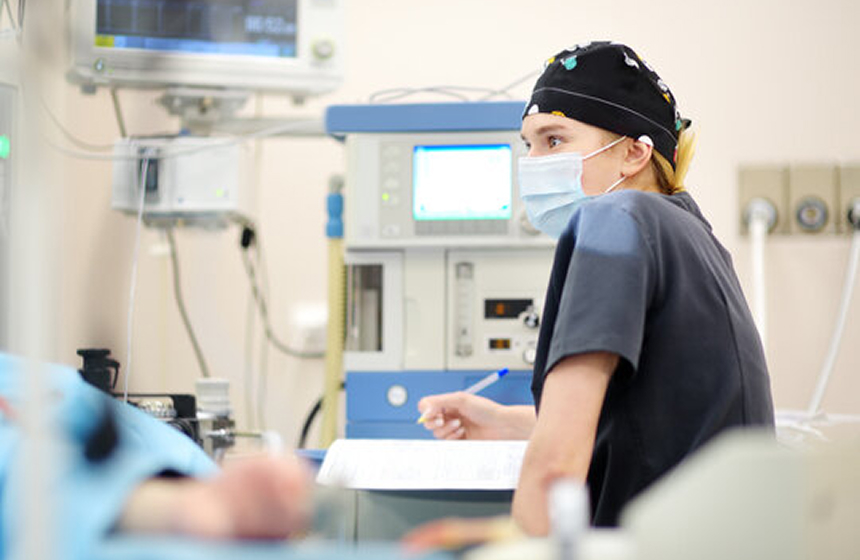
A breast lift is commonly performed under general anaesthesia. The anaesthesia plan depends on the procedure extent, patient factors, and the operating facility’s protocols and will be discussed during consultation.
Preparation typically includes:
– Medical review: history, medications and supplements, and relevant investigations where required.
– Medication guidance: you may be asked to stop certain medications/supplements that can increase bleeding risk (where clinically appropriate).
– Nicotine cessation: nicotine can impair healing; you may be asked to stop smoking/vaping/nicotine products for a specified period before and after surgery.
– Fasting instructions: follow the facility’s requirements prior to anaesthesia.
– Support planning: arrange transport and post-operative support, especially if general anaesthesia is used
Return to Work: Timing varies depending on the physical demands of your job, extent of surgery, and healing.
Return to Exercise: Light activity may be resumed as advised. Strenuous exercise and heavy lifting are typically restricted for a period determined by your surgeon.
Appearance over time: Swelling reduces gradually, and breast shape can continue to change over months. Scar maturation occurs over a longer timeframe. There is no single timeline that applies to everyone.
The outcomes shown are only relevant for this patient and do not necessarily reflect the results other patients may experience, as results may vary due to many factors including the individual’s genetics, diet and exercise.
A breast augmentation is a very customized procedure, and selecting an experienced surgeon is paramount. Dr. Lajevardi focuses on patient safety, naturally appearing results, and transparency throughout the process.