Overview
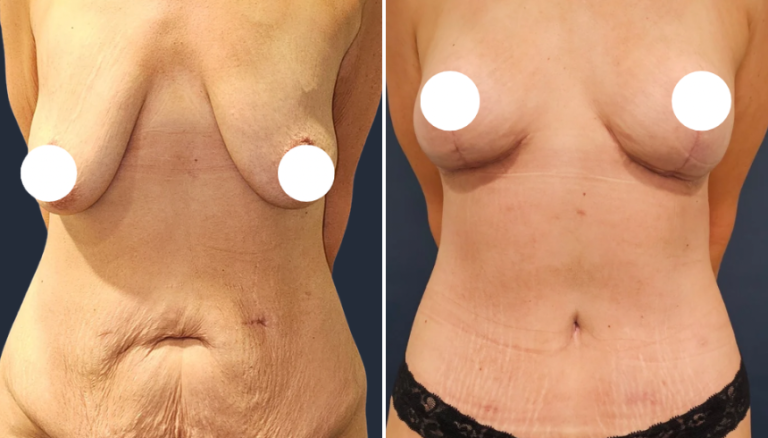
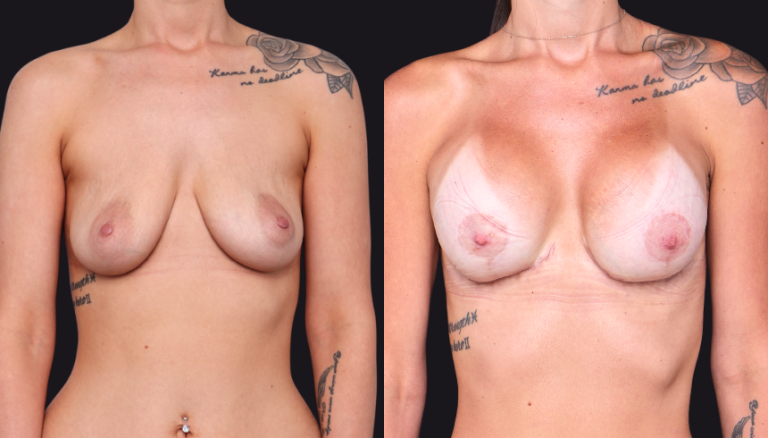
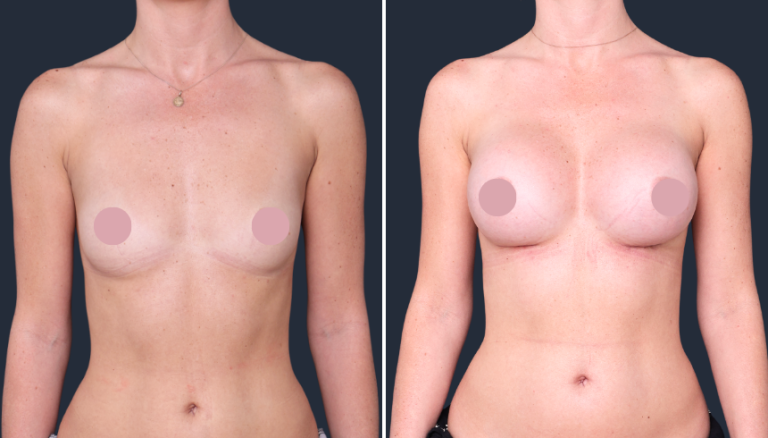
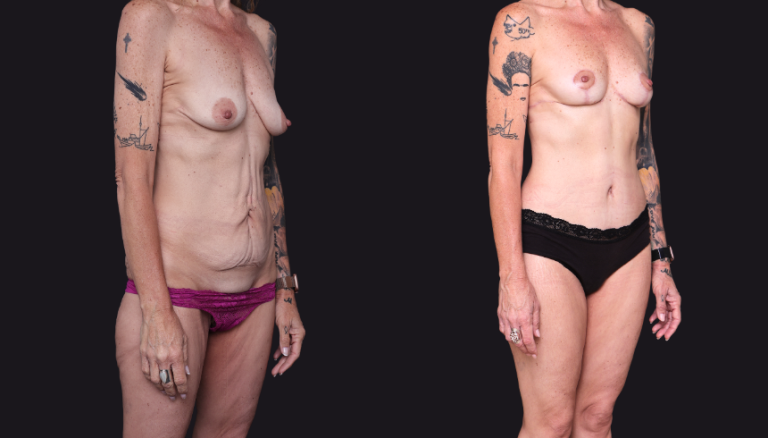
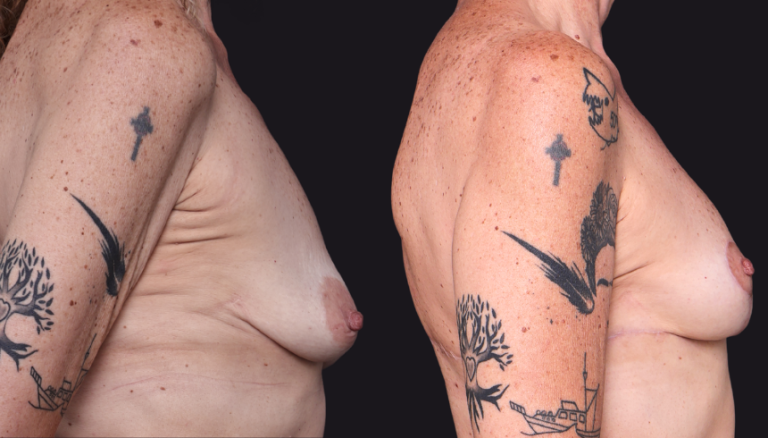
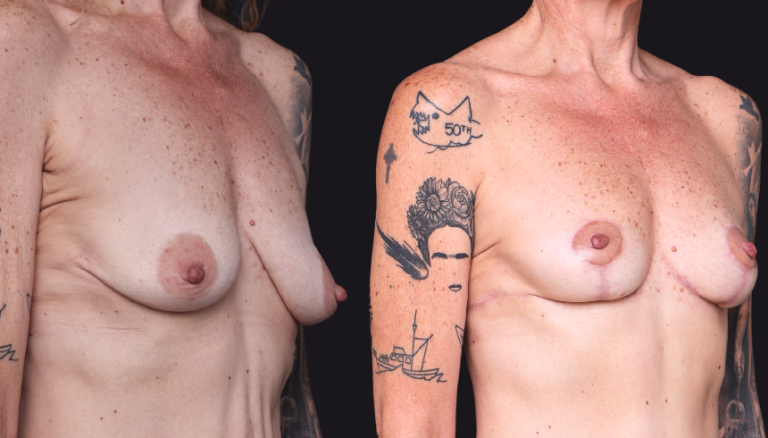
Breast augmentation (augmentation mammoplasty) is a surgical procedure that uses implants to change breast size and shape. Implants may be silicone or saline and may be placed under the breast tissue or partially/fully under the chest muscle, depending on individual anatomy and the surgical plan. A consultation is required to assess suitability, discuss expected changes and limitations, and provide information about risks, scarring, recovery, and alternatives.
About This Procedure
Breast augmentation involves the insertion of breast implants to alter breast volume, contour, and projection. Surgical planning is individualised and may consider factors such as chest width, breast tissue characteristics, skin quality, and desired size range. The procedure is performed by a suitably qualified medical practitioner in an appropriate surgical setting. All surgery results in scars. Scar placement and appearance vary between individuals.
Key Benefits
Breast augmentation may be considered by people who wish to change breast size or shape. Potential physical changes may include:
– Change in breast volume and projection: breast size and profile may change, depending on implant type and placement.
– Change in symmetry: some differences in size or shape may be reduced; complete symmetry cannot be guaranteed.
– Change in breast contour under clothing: some people notice changes in how garments fit; this varies.
Results vary and depend on individual anatomy, healing, implant selection, and surgical technique.
Ideal Candidate
A suitable candidate is generally a physically healthy adult with realistic expectations about variability in results, recovery time, scarring, and the possibility of future surgery. A consultation is required to confirm suitability, review medical history, and discuss implant considerations and long-term monitoring.
You May Be a Good Candidate If
You may be a good candidate for breast augmentation if you:
– Are in good overall physical health
– Are at a stable weight
– Have fully developed breasts
– Would like an assessment for changing breast size or shape
– Understand that scarring and outcomes vary
– Do not smoke or are willing to stop nicotine use for a specified period before and after surgery (as directed)
– Have realistic expectations about the degree of change and recovery
Who Should Not Undergo This Procedure
Breast augmentation may not be suitable for individuals who:
– Have an active infection
– Are currently pregnant or breastfeeding
– Have uncontrolled medical conditions that increase surgical risk
– Are unable to follow pre- and post-operative instructions
– Are unable to cease nicotine use where clinically required
– Have unrealistic expectations about outcomes
Surgical Techniques & Approaches
Your surgeon will recommend an approach based on anatomy and clinical assessment. Key variables include:
Incision Locations:
Incisions may be placed in locations such as the inframammary fold (beneath the breast), around the areola, or in the underarm. The recommended location depends on implant type, anatomy, and surgical plan. All incisions create scars, and scar visibility varies.
Implant Placement:
Implants may be placed above the pectoral muscle (subglandular) or partially/fully under the pectoral muscle (submuscular). Each placement option has trade-offs, which your surgeon will explain in consultation.
Anesthesia
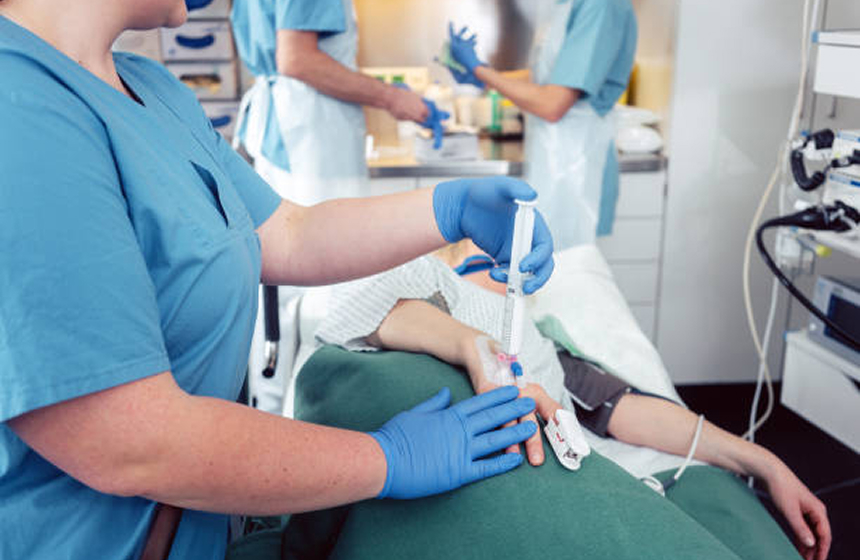
Breast augmentation is commonly performed under general anaesthesia. The anaesthesia approach will be discussed during consultation and depends on the surgical plan, patient factors, and the operating facility’s protocols.
Pre-Operative Preparations
Preparation typically includes:
– Medical review: medical history, medications and supplements will be reviewed.
– Medication guidance: you may be asked to stop certain medications/supplements that can increase bleeding risk (where clinically appropriate).
– Nicotine cessation: nicotine can impair healing; you may be asked to cease smoking/vaping/nicotine products before and after surgery for a specified period.
– Support planning: arrange transport home and support after surgery, especially if general anaesthesia is used.
– Fasting instructions: follow the facility’s fasting requirements prior to anaesthesia.
Recovery Milestones
Return to Work: Timing varies depending on the extent of surgery, healing, and the physical demands of your job.
Return to Exercise: Light activity may be resumed as advised; strenuous exercise and heavy lifting are typically restricted for a period determined by your surgeon.
Appearance over time: Swelling reduces gradually. Implant position and breast contour may continue to change during healing. There is no single timeline that applies to everyone.