
Follicular Unit Extraction (FUE)
Overview
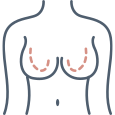
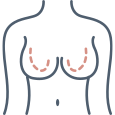
Add volume to breasts
Reduce sagging
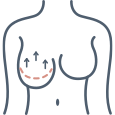
Lift and tighten
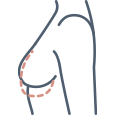
Reshape and contour
Why Consider Breast Augmentation?
- Numerous women select breast augmentation to
- Enlarge naturally small breasts
- Re-establish lost volume post-pregnancy or weight gain
- Refine asymmetry for a better-balanced look
- Re-create a more youthful, full contour
While outcomes are not the same, the procedure can yield long-lasting enhancements in looks and confidence. But keep realistic expectations in mind—individual results are based on body type, implant choice, and healing.
Add volume to breasts
Reduce sagging
Lift and tighten
Reshape and contour
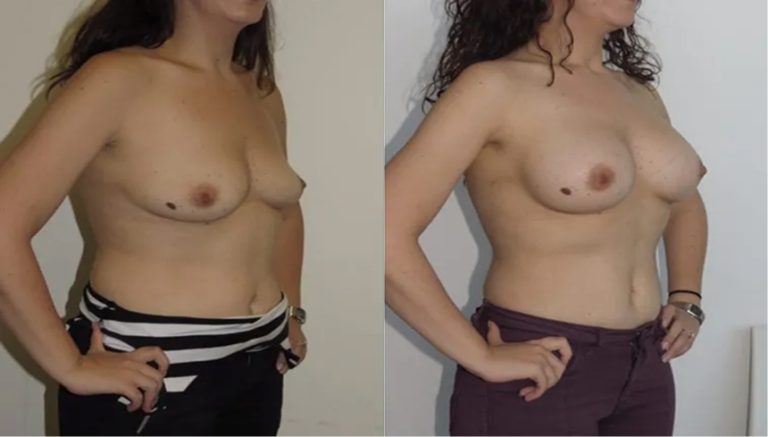
Before & After
The outcomes shown are only relevant for this patient and do not necessarily reflect the results other patients may experience, as results may vary due to many factors including the individual’s genetics, diet and exercise.
Breast Augmentation
Implant Size: 300cc – 450cc
Recovery Timeline: 1–2 weeks light
Tags: Breast Enhancement, Cosmetic Surgery
Breast Augmentation
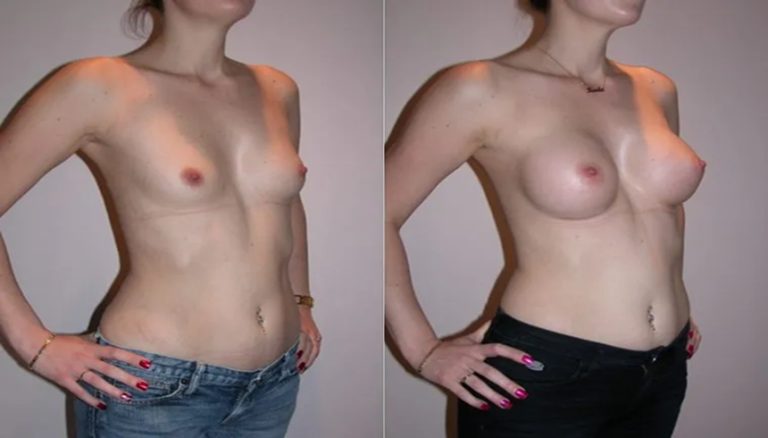
Implant Size: 300cc – 450cc
Recovery Timeline: 1–2 weeks light
Tags: Breast Enhancement, Cosmetic Surgery
Breast Augmentation
Implant Size: 300cc – 450cc
Recovery Timeline: 1–2 weeks light
Tags: Breast Enhancement, Cosmetic Surgery
Breast Augmentation
Implant Size: 300cc – 450cc
Recovery Timeline: 1–2 weeks light
Tags: Breast Enhancement, Cosmetic Surgery
Breast Augmentation
Implant Size: 300cc – 450cc
Recovery Timeline: 1–2 weeks light
Tags: Breast Enhancement, Cosmetic Surgery
Breast Augmentation
Implant Size: 300cc – 450cc
Recovery Timeline: 1–2 weeks light
Tags: Breast Enhancement, Cosmetic Surgery

About This Procedure
Your Consultation with Dr Lajevardi
Dr Sepehr Lajevardi is a highly skilled and experienced plastic surgeon, dedicated to providing exceptional results to each patient. He takes a caring approach, working with patients to create an individualised treatment plan that helps them feel confident in their outcomes. Book your appointment to receive professional care and guidance from Dr Lajevardi, and find out if breast augmentation surgery is right for you.
Key Benefits
Complete Hair Guide
Ideal Candidate
- Has hair loss pattern suitable for transplant and adequate donor density on assessment.
- Is medically fit for the procedure and aftercare.
- Understands scarring, timelines and variability.
You May Be a Good Candidate If
You may be a good candidate if you:
- You have realistic expectations about density and coverage.
- You understand that additional sessions may be needed.
- You can follow aftercare and avoid trauma to grafts.
Who Should Not Undergo This Procedure
This procedure/treatment may not be appropriate if you:
- Active scalp infection or uncontrolled inflammatory scalp disease.
- Insufficient donor hair for the desired coverage.
- Expectation of guaranteed density or “permanent” prevention of future hair loss.
Surgical Techniques & Approaches
- Donor assessment and planning: determines safe harvest numbers and design.
- FUE harvesting: individual follicular units extracted; dot scarring occurs.
- Recipient site creation and implantation: angle/direction planned to match existing hair where possible.
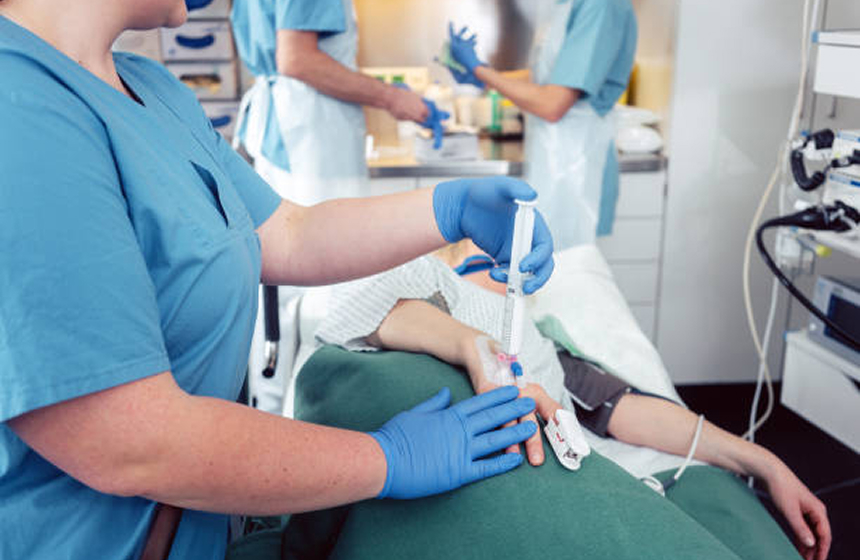
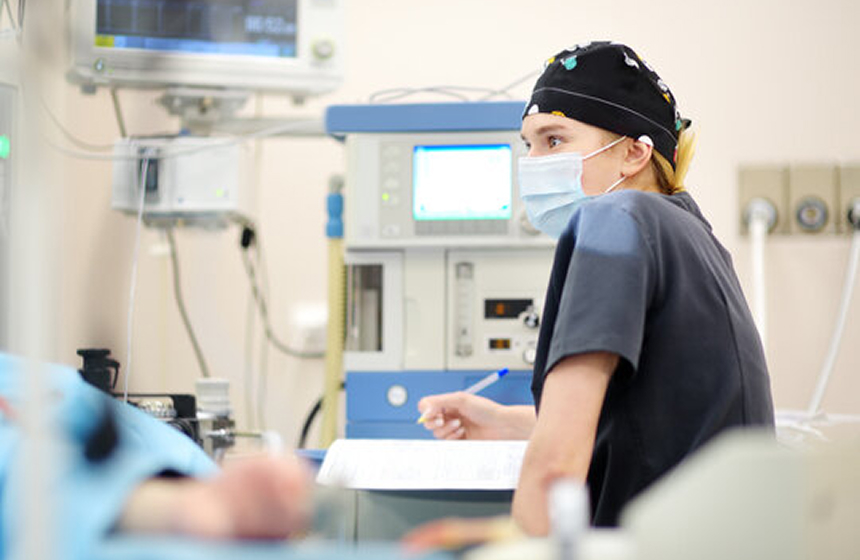
Anesthesia
Pre-Operative Preparation
- Medical history and medication review.
- Avoid blood‑thinning medicines/supplements where advised.
- Plan time off work and transport if sedation is used.
Recovery Process
Timeline
Activity & Expectations
Recovery Milestones
Return to Work
Return to Exercise
Assessing outcome
commonly assessed over 6–12+ months.
Resources & Guides
A breast augmentation is a very customized procedure, and selecting an experienced surgeon is paramount. Dr. Lajevardi focuses on patient safety, naturally appearing results, and transparency throughout the process.
Patient Preparation Guide
Procedure Walkthroughs
Patient Preparation Guide
Frequently Asked Questions
Procedure & Results
Will I have scars?
Is the result permanent?
What are the risks?
Pain & Recovery
Is it painful?
When can I wash my hair?
How do I sleep?
You may be advised to sleep with head elevation initially to reduce swelling.