MED0001602957. This website contains imagery that is only suitable for audiences 18+. Any surgical or invasive procedure carries risks.

Varicose Veins

Varicose vein treatment options in Sydney for symptoms and vein disease assessment

Overview

Varicose veins are enlarged, twisted veins most commonly affecting the legs. They may be associated with symptoms such as aching, heaviness, swelling or skin changes. A consultation is required to assess vein disease severity, discuss investigations (often ultrasound), and determine suitable treatment options and risks.
Add volume to breasts

Add volume to breasts

Reduce sagging

Reduce sagging

Lift and tighten

Lift and tighten

Breast Augmentation

Reshape and contour

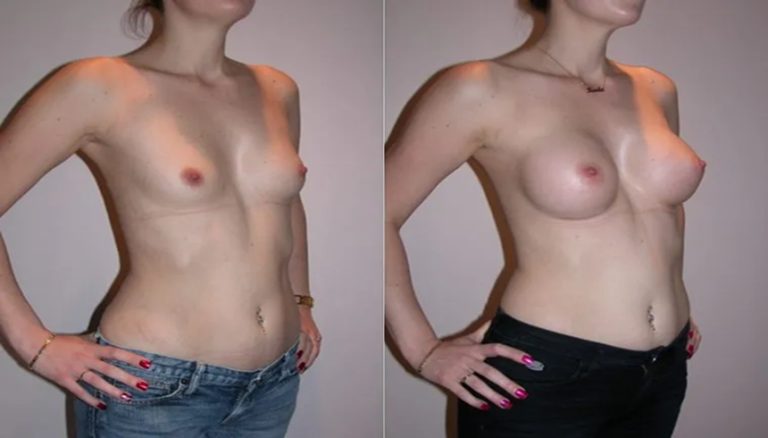
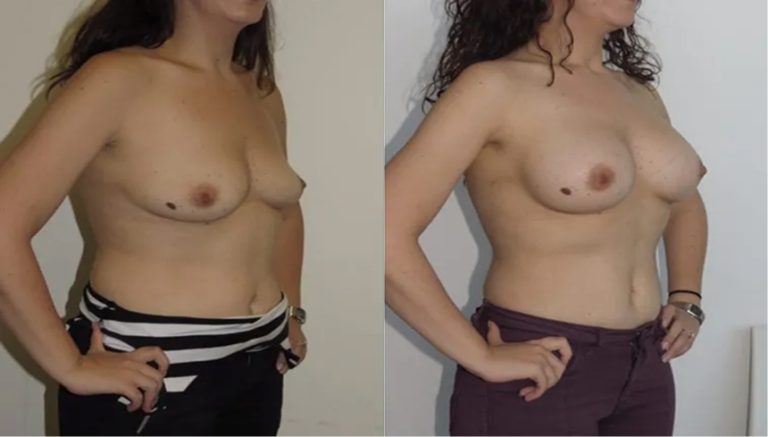
Before & After

The outcomes shown are only relevant for this patient and do not necessarily reflect the results other patients may experience, as results may vary due to many factors including the individual’s genetics, diet and exercise.

About This Procedure

Treatment options may include compression therapy, sclerotherapy, endovenous ablation, or surgical options depending on anatomy and disease severity. The most appropriate approach is individual. Outcomes vary and recurrence can occur.

Key Benefits

Potential benefits depend on anatomy, skin quality and the extent of treatment. They may include:
Symptom improvement in some patients when symptoms are related to venous disease (results vary).
Reduction in visible varicose veins in selected cases (varies by treatment and anatomy).
Management of complications such as skin changes or ulcer risk in appropriate patients (assessment required).
No result can be guaranteed. The likely degree of change, scar placement (if applicable) and trade‑offs should be discussed during consultation.

Complete Vein Guide

Get step-by-step insights, recovery tips, and expert recommendations for your Vein. Download our free guide today.
vein-treatments-icon

Ideal Candidate

A suitable candidate is typically an adult who:
  • Has varicose veins confirmed on assessment and appropriate investigations.
  • Is medically suitable for the recommended intervention.
  • Understands that outcomes vary and may require staged care.

You May Be a Good Candidate If

You may be a good candidate if you:

  • You have symptoms or visible varicose veins and want an assessment.
  • You can follow compression and aftercare instructions if advised.
  • You understand treatment may involve multiple steps.

Who Should Not Undergo This Procedure

This procedure/treatment may not be appropriate if you:

  • Pregnancy (some treatments are commonly deferred).
  • Uncontrolled medical conditions that increase procedural risk.
  • Expectation of guaranteed results or permanent prevention of recurrence.

Surgical Techniques & Approaches

Technique selection is individual and based on your anatomy, goals and safety considerations. Options may include:

  • Ultrasound assessment: often used to map veins and identify reflux.
  • Endovenous treatments (selected cases): thermal or non‑thermal ablation techniques may be considered.
  • Sclerotherapy (selected cases): may be used for suitable veins or residual veins after other treatments.
  • Surgery (selected cases): may be recommended depending on anatomy and severity.
Your clinician/surgeon will explain the recommended approach and expected trade‑offs during consultation.

Techniques & Approaches

Anesthesia

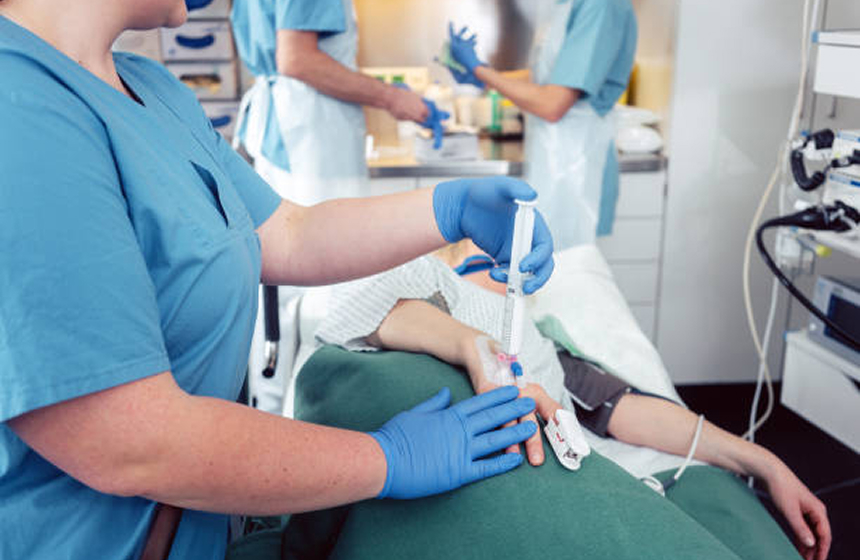
Anaesthesia varies by treatment type and can range from local anaesthesia to general anaesthesia for selected procedures.

Pre-Operative Preparation

You will receive individual instructions. Common requirements may include:

Recovery Process

Recovery depends on the treatment performed. Walking is commonly encouraged. Compression may be advised. Results and symptom change vary. Bruising, swelling, tenderness, and temporary skin staining (pigmentation) can occur. Risks include bleeding, infection, skin blistering/ulceration (uncommon), nerve irritation, allergic reaction, and blood clots including DVT (rare). Compression may be recommended after some procedures.

Timeline

Activity & Expectations

Immediately Post‑Treatment
Compression may be applied. Walking is often encouraged.

First Week

Bruising/tenderness common. Avoid high‑heat exposure and strenuous activity if advised.

Weeks 2–6

Gradual improvement. Follow‑up and ultrasound review may be recommended.

3–6+ Months

Ongoing improvement and management of residual veins if needed; recurrence risk persists.

Recovery Milestones

Return to Work

varies from next day to 1–2 weeks depending on procedure type.

Return to Exercise

varies; high‑intensity exercise may be restricted briefly.

Assessing outcome

often assessed over weeks to months with follow‑up as advised.

Resources & Guides

A breast augmentation is a very customized procedure, and selecting an experienced surgeon is paramount. Dr. Lajevardi focuses on patient safety, naturally appearing results, and transparency throughout the process.

Frequently Asked Questions

Procedure & Results

Do I need an ultrasound?

Often yes, to assess vein reflux and plan treatment appropriately.
Recurrence can occur. Risk depends on underlying venous disease and individual factors.
Risks vary and can include bruising, pigmentation changes, nerve irritation, clot‑related complications (rare), skin injury, and procedural risks specific to the chosen treatment.

Pain & Recovery

Is treatment painful?

Sensation varies by treatment. Local anaesthesia is commonly used for procedures.
Often recommended for a period; your clinician will advise.
Usually soon after; avoid hot baths/saunas if advised.

Safety & Credentials

Who provides treatment?

Treatments should be performed by appropriately qualified practitioners experienced in venous assessment and management.
Depending on the intervention, in clinic or an appropriately licensed facility.
Any surgical or invasive procedure carries risks. Before proceeding, you should seek a second opinion from an appropriately qualified health practitioner.

Get Your Vein Guide

Enter your details below to access the free guide instantly.