MED0001602957. This website contains imagery that is only suitable for audiences 18+. Any surgical or invasive procedure carries risks.

Facial Feminisation Surgery (FFS)

Facial Feminisation Surgery in Australia: Surgical and Non-Surgical Options to Modify Facial Features

Overview

Facial Feminisation Surgery (FFS) is an umbrella term for a tailored combination of procedures that can modify facial bone structure and/or soft tissue characteristics. The aim is to adjust selected facial features in line with an individual’s goals as part of gender affirmation care. A consultation is required to assess anatomy, medical history, and the most appropriate options (including non-surgical treatments where suitable).

Outcomes vary between individuals and depend on factors such as baseline anatomy, skin quality, healing response, and the procedures selected. All surgery involves risks and scarring.

Add volume to breasts

Add volume to breasts

Reduce sagging

Reduce sagging

Lift and tighten

Lift and tighten

Breast Augmentation

Reshape and contour

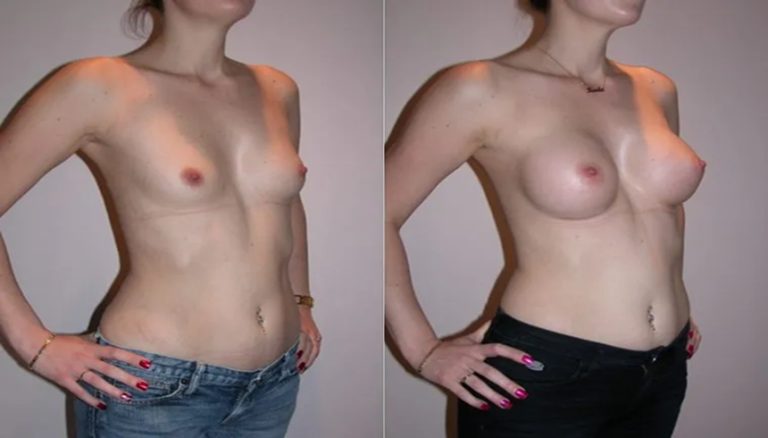
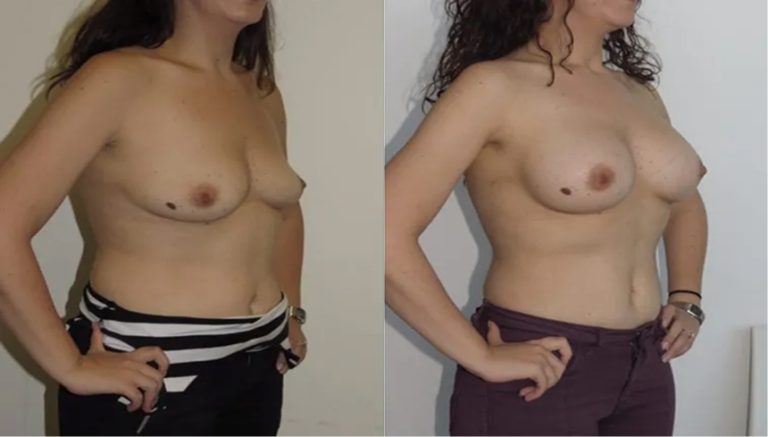
Before & After

The outcomes shown are only relevant for this patient and do not necessarily reflect the results other patients may experience, as results may vary due to many factors including the individual’s genetics, diet and exercise.

About This Procedure

FFS is not one operation. It may involve one procedure or a planned combination performed in stages.

Depending on your goals and anatomy, FFS may include procedures that address areas commonly described as the forehead/brow, nose, jaw/chin, and neck.

At COSMEX, FFS consultations are led by Dr Sepehr Lajevardi (Specialist Plastic Surgeon). Your consultation focuses on:

Procedures sometimes considered within an FFS plan may include:

Not every patient needs every procedure, and some goals may be better addressed with fewer procedures—or with non-surgical options alone.

Key Benefits

The goal of a brow lift is to address specific structural features identified at assessment. Potential physical changes may include:

Elevation or repositioning of the brow in selected areas (degree varies).

Reduction of upper‑lid hooding contributed to by brow position (where relevant).

Change in forehead contour and soft tissue drape (individual variation applies).

Symmetry cannot be guaranteed, and outcomes vary with anatomy and healing.

Complete Transgender Guide

Get step-by-step insights, recovery tips, and expert recommendations for your Transgender. Download our free guide today.

Ideal Candidate

A suitable candidate is generally a healthy adult who has concerns related to brow position or forehead tissue laxity, understands that outcomes vary, and is comfortable with the presence of scars and recovery time.

You May Be a Good Candidate If

You may be a good candidate if you:
  • You have brow position concerns that are not adequately addressed by non‑surgical options.
  • You would like assessment for brow position and upper‑face changes.
  • You understand that scars are permanent and vary in appearance.
  • You can take time for recovery and attend follow‑up appointments.
  • You do not smoke or can cease nicotine use as directed.

Who Should Not Undergo This Procedure

This procedure/treatment may not be appropriate if you:

  • Uncontrolled medical conditions increasing risk.
  • Inability to stop nicotine use when required.
  • Expectation of a scar‑free or guaranteed outcome.

Surgical Techniques & Approaches

The techniques used depend on the area being treated and individual anatomy. Approaches may include:

Structural (bone/cartilage) procedures (selected cases)

Soft tissue procedures (selected cases)

Adjunct non-surgical procedures (selected cases)

Your surgeon will explain recommended approaches, trade-offs, and expected limitations during consultation.

Anaesthetic

Anaesthetic type is confirmed after your clinical assessment and procedure plan.

Suitability

Suitability is determined during consultation. In general, a patient may be considered for FFS if they:
If you smoke or use nicotine, you may be advised to stop well in advance because nicotine can increase complication risk and impair healing.

Expected Scarring & Incisions

All surgical procedures involve scarring. Incision placement depends on the procedure and may be located in areas such as:

Scars are permanent but typically fade over time. Scar quality varies between individuals and can be influenced by skin type, healing response, infection, and aftercare. Your surgeon will discuss likely scar placement and visibility for your specific plan.

Risks & Considerations

All surgery carries risks. Your surgeon will discuss risks relevant to your procedures, anatomy, and medical history. Potential risks may include:

Non-surgical treatments also carry risks (e.g., bruising, swelling, infection, vascular occlusion with fillers—rare but serious). These risks are discussed before any treatment.

Recovery & Aftercare

Recovery time varies depending on the procedures performed and whether they are staged. In general:

Timeline

Activity & Expectations

First 1–2 weeks

swelling and bruising are common; discomfort varies; rest and head elevation are often recommended

Weeks 2–6

most people gradually return to normal daily activities; residual swelling commonly persists

3–12 months

healing and scar maturation continue; final contour is typically assessed over months, and nasal refinement can take up to 12 months or longer

Your surgeon will provide written aftercare instructions and a follow-up schedule tailored to your procedure plan.

Procedure Walkthroughs

Fees & Inclusions

Costs vary significantly depending on the combination of procedures, complexity, and hospital/anaesthetist fees. A detailed written quote is provided after consultation, once a surgical plan is confirmed.

Medicare/private health insurance coverage depends on item numbers and clinical indications. Where relevant, this will be discussed with you during consultation.

Resources & Guides

A breast augmentation is a very customized procedure, and selecting an experienced surgeon is paramount. Dr. Lajevardi focuses on patient safety, naturally appearing results, and transparency throughout the process.

Frequently Asked Questions

Can FFS include both surgical and non-surgical treatments?

Yes—some patients use a combination approach depending on their goals and anatomy. The appropriate plan is determined during consultation.

Structural surgical changes are generally long-lasting, however the face continues to change over time with ageing and weight fluctuations. Non-surgical treatments (fillers/anti-wrinkle) are temporary and require maintenance.

All surgery involves scars. Incision placement is planned to suit the procedure and anatomy. Scar visibility and quality vary.

Risks depend on the procedures performed and may include infection, bleeding, scarring concerns, nerve injury, asymmetry, and revision surgery. Your surgeon will explain procedure-specific risks.

Rhinoplasty may be included in an FFS plan in selected cases. If there is a functional component (e.g., breathing obstruction), this may be assessed separately.

Important Safety Information

Any surgical or invasive procedure carries risks. Before proceeding, you should seek a second opinion from an appropriately qualified health practitioner. A consultation is required to confirm suitability, explain risks and recovery, and discuss alternatives.

About the Specialist

Dr Sepehr Lajevardi (AHPRA: MED0001602957)
Registered Medical Practitioner – Specialist Plastic Surgeon (Specialist Registration in Surgery – Plastic Surgery). Procedure planning, risks, realistic outcomes, and aftercare requirements are discussed in detail during consultation.

Get Your Transgender Guide

Enter your details below to access the free guide instantly.