MED0001602957. This website contains imagery that is only suitable for audiences 18+. Any surgical or invasive procedure carries risks.

Gender Affirmation Surgery (Bottom Surgery)

Gender Affirmation Surgery: Genital Reconstruction Procedures in Sydney

Overview

Gender affirmation “bottom surgery” refers to a range of genital reconstructive procedures that can modify external and/or internal genital anatomy in line with an individual’s goals as part of gender affirmation care. These are complex procedures that require careful assessment, detailed consent, and planned follow-up. A consultation is required to confirm suitability, discuss options and alternatives, and explain risks, scarring, and recovery. Outcomes vary and depend on anatomy, chosen technique, healing response, and post-operative care.

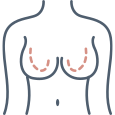
Add volume to breasts

Add volume to breasts

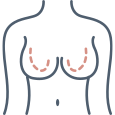
Reduce sagging

Reduce sagging

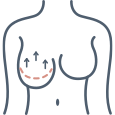
Lift and tighten

Lift and tighten

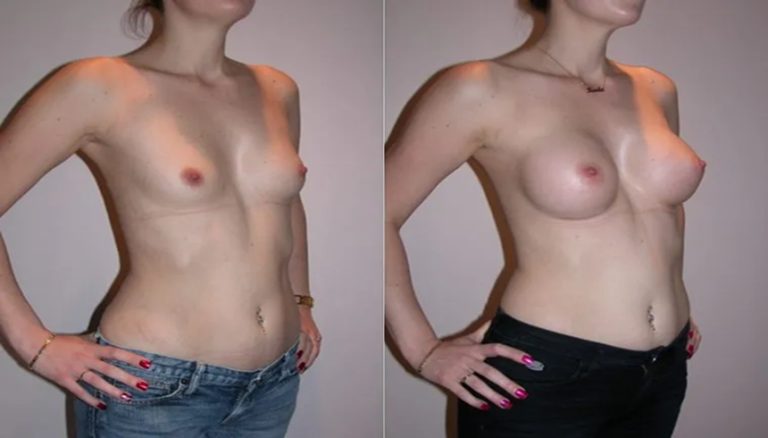
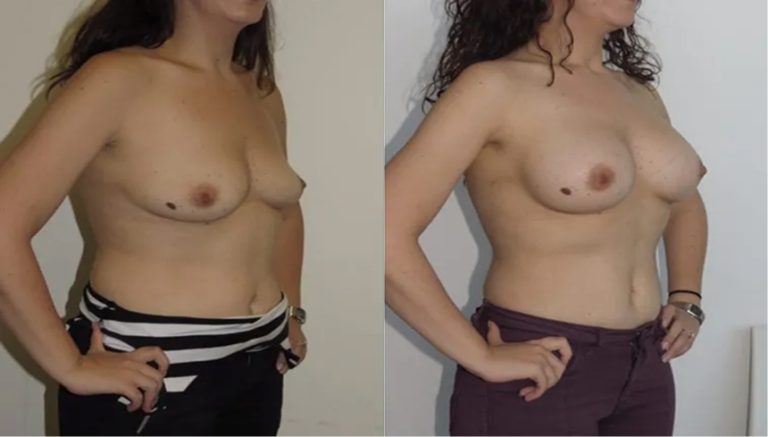
Breast Augmentation

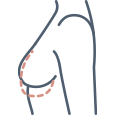
Reshape and contour

Before & After

The outcomes shown are only relevant for this patient and do not necessarily reflect the results other patients may experience, as results may vary due to many factors including the individual’s genetics, diet and exercise.

About This Procedure

Bottom surgery is not one single operation. The most appropriate procedure (or staged plan) depends on anatomy, goals, health factors, and what is clinically suitable. Procedures are commonly discussed in two broad groups:

Male to Female (MTF) Procedures (selected cases)

These procedures may involve removal of testes and reconstruction of genital tissues to create external genital appearance and/or a vaginal canal, depending on the procedure selected.

Options that may be considered include:

Female to Male (FTM) Procedures (selected cases)

These procedures may involve creation of a phallus or modification of existing genital tissues depending on individual goals and what is clinically suitable. Options that may be considered include:

Your surgeon will explain which options may be appropriate for you, expected limitations, and whether a staged approach is recommended.

Key Benefits

The goal of a brow lift is to address specific structural features identified at assessment. Potential physical changes may include:

Elevation or repositioning of the brow in selected areas (degree varies).

Reduction of upper‑lid hooding contributed to by brow position (where relevant).

Change in forehead contour and soft tissue drape (individual variation applies).

Symmetry cannot be guaranteed, and outcomes vary with anatomy and healing.

Complete Transgender Guide

Get step-by-step insights, recovery tips, and expert recommendations for your Transgender. Download our free guide today.

Ideal Candidate

A suitable candidate is generally a healthy adult who has concerns related to brow position or forehead tissue laxity, understands that outcomes vary, and is comfortable with the presence of scars and recovery time.

You May Be a Good Candidate If

You may be a good candidate if you:
  • You have brow position concerns that are not adequately addressed by non‑surgical options.
  • You would like assessment for brow position and upper‑face changes.
  • You understand that scars are permanent and vary in appearance.
  • You can take time for recovery and attend follow‑up appointments.
  • You do not smoke or can cease nicotine use as directed.

Who Should Not Undergo This Procedure

This procedure/treatment may not be appropriate if you:

  • Uncontrolled medical conditions increasing risk.
  • Inability to stop nicotine use when required.
  • Expectation of a scar‑free or guaranteed outcome.

Surgical Techniques & Approaches

Bottom surgery uses reconstructive plastic surgery principles and may involve different approaches depending on procedure type and individual anatomy.

Techniques may include:
Technique choice is individualised. Your surgeon will explain the recommended plan, trade-offs, and what follow-up is typically required.

Anaesthetic

Genital reconstruction procedures are generally performed under general anaesthesia in an appropriately accredited hospital facility. Procedure duration varies significantly depending on the type and stage of surgery. Anaesthetic and hospital requirements are confirmed after clinical assessment and surgical planning.

Suitability

Suitability is determined during consultation and may involve coordination with your usual treating team. Factors commonly considered include:

Some patients may be advised to delay surgery to optimise health factors (e.g., smoking cessation, medical conditions, weight stability) or to complete required preparation steps.

Expected Scarring & Incisions

All surgery results in scarring. Scar location and visibility depend on the procedure, technique, and whether donor sites are used.

Examples of scar locations may include:

Scars are permanent but typically change over time. Scar quality varies between individuals and can be influenced by healing response, infection, tension on wounds, and aftercare.

Risks & Considerations

All surgical procedures carry risks and outcomes vary. Your surgeon will discuss risks specific to your procedure plan and health profile. Potential risks may include:

Your surgeon will also discuss procedure-specific considerations such as dilation requirements (for canal-forming vaginoplasty) and catheter care where applicable.

Recovery & Aftercare

Recovery varies by procedure type and staging. Hospital stay, catheter duration, wound care, activity restrictions, and time off work differ significantly between patients and procedures.

Examples of recovery considerations include:

You will be provided with tailored written aftercare instructions and a follow-up schedule.
Procedure Walkthroughs

Fees & Inclusions

Costs are highly individualised and depend on:

A detailed written quote and financial consent are provided after consultation once a surgical plan is confirmed. Medicare and private health insurance arrangements vary based on item numbers and clinical indications and will be discussed with you.

Resources & Guides

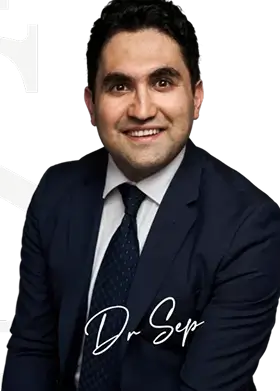
A breast augmentation is a very customized procedure, and selecting an experienced surgeon is paramount. Dr. Lajevardi focuses on patient safety, naturally appearing results, and transparency throughout the process.

Frequently Asked Questions

Do I need a referral?

If you are seeking Medicare rebates for consultation or surgery (where applicable), a valid referral may be required. Our team can advise what is needed when you enquire.

No. Techniques may aim to preserve nerves where clinically appropriate, but sensory outcomes vary between individuals and procedures and cannot be guaranteed.

In general terms, vaginoplasty refers to procedures that create a vaginal canal (with ongoing dilation requirements), while vulvoplasty typically refers to creation of external genital structures without a canal. Suitability and implications are discussed during consultation.

Yes. These procedures may involve changes to the urethra depending on the technique. Urinary complications are possible and will be discussed as part of informed consent.

Important Safety Information

Any surgical or invasive procedure carries risks. Before proceeding, you should seek a second opinion from an appropriately qualified health practitioner. A consultation is required to determine suitability, explain risks and recovery, and discuss alternatives.

About the Specialist

Dr Sepehr Lajevardi (AHPRA: MED0001602957)
Registered Medical Practitioner – Specialist Plastic Surgeon (Specialist Registration in Surgery – Plastic Surgery). Procedure selection, staging, risks, realistic outcomes, and aftercare requirements are discussed in detail during consultation.

Get Your Transgender Guide

Enter your details below to access the free guide instantly.