MED0001602957. This website contains imagery that is only suitable for audiences 18+. Any surgical or invasive procedure carries risks.

Abdominoplasty

Abdominoplasty (Tummy Tuck) Surgery in Sydney

Overview

Abdominoplasty (commonly called a tummy tuck) is a surgical procedure that may be considered to address excess abdominal skin and tissue, and in some cases to repair separation of the abdominal muscles (diastasis recti). People may seek assessment after pregnancy, significant weight change, or ageing-related skin laxity. Abdominoplasty is a major operation and requires a consultation to discuss suitability, expected changes and limitations, scarring, risks, recovery, and alternatives.

Meet Our Doctors

Discover the highly qualified surgeons and doctors behind our trusted procedures. Browse their credentials, specialties, and treatments, then explore each procedure in detail to find the right expert for your needs.

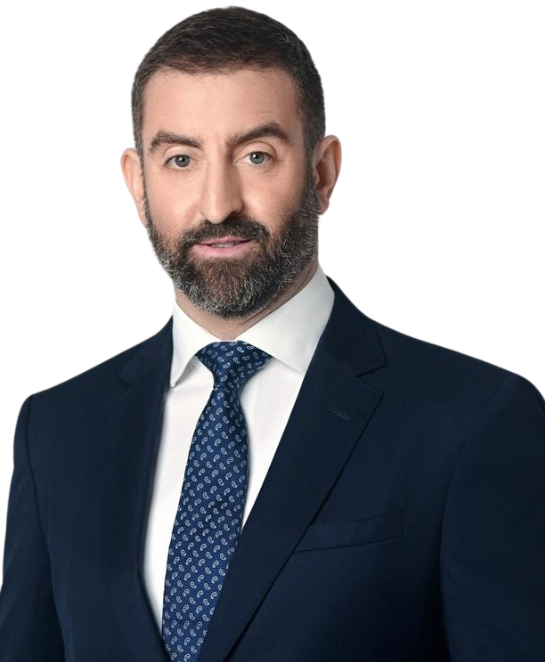
Dr. Lajevardi

MBBS BSc(Med) Hons GDip(Anat) MS (Plast) PhD (Med) FRACS (Plast)

MED0001602957

Dr. Sepehr Lajevardi is a Sydney based Specialist Plastic and Reconstructive Surgeon specialising in aesthetic surgery of breast and body, as well as skin cancer and hand surgery.

PROCEDURES & TREATMENTS

- Skin Cancer Resection & Reconstruction
- Hand Trauma & Elective Hand Surgery
- Post Weight Loss Body Contouring
- Breast Surgeries
- Transgender Surgery

LEARN MORE ABOUT DR LAJEVARDI

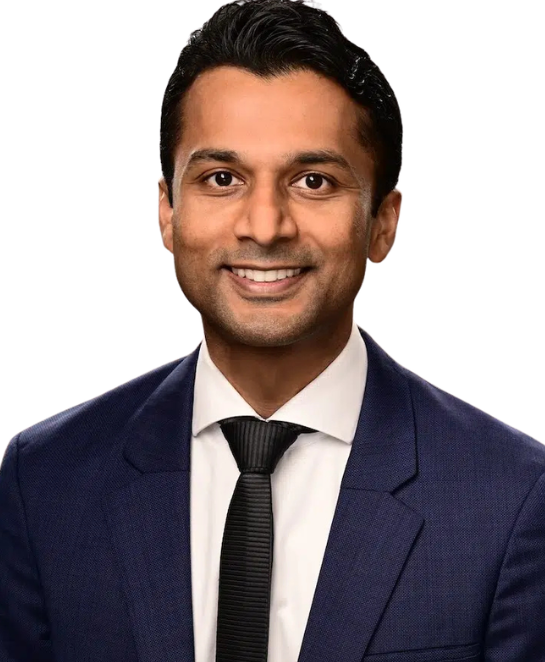
Dr Phaethon Karagiannis

MBBS BMedSci PGradDipAnat MPH FRACS (Plast)

MED0001666891

Dr Phaethon Karagiannis is a Fellow of the Royal Australasian College of Surgeons (FRACS) and an Australian-trained Specialist Plastic and Reconstructive Surgeon with over 14 years of medical experience, including 9 years exclusively in plastic surgery. He obtained his medical degree from the University of Melbourne, where he also completed a Bachelor of Medical Science and a Postgraduate Diploma in Surgical Anatomy. He later completed a Master of Public Health at the University of Sydney.

Procedures & Treatments

Dr Phaethon primarily focuses on Facial Surgeries.

LEARN MORE ABOUT DR PHAETHON

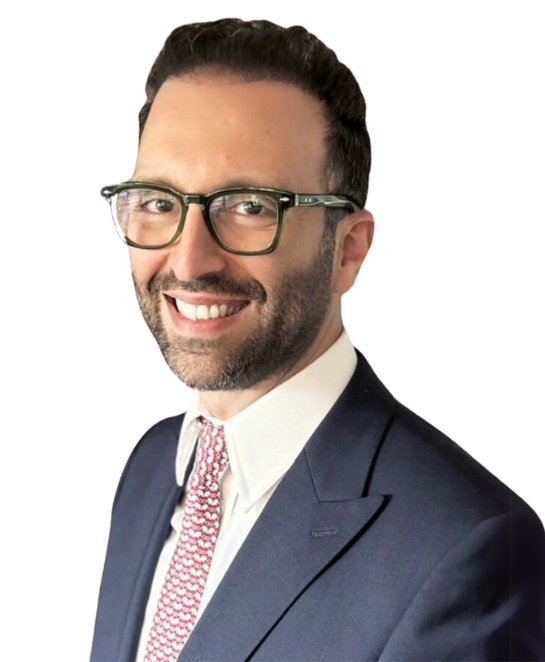
Dr Purvesh Punj

FRACS (Plast), MSSc (Adel), MBBS (Adel)

MED0001673429

Dr Punj has completed two Subspecialty Fellowships after completing Plastic Surgery Training in Adelaide. Specialized in Aesthetic Surgery of the Face, Rhinoplasty, Breast including Body Contouring & Reconstructive surgery.

PROCEDURES & TREATMENTS

- Facial Surgery
- Nose Surgery
- Breast Surgery
- Breast Surgeries
- Body Surgery

LEARN MORE ABOUT DR PUNJ

Dr Nikolas Katelaris

MBBS, Master of Surgery, FRACGP

MED001789320

Dr Katelaris has extensive training and experience in same-day, local anaesthetic surgical assessment and procedures that are completed with meticulous technique. Dr Katelaris was a Urology Registrar for 3 years at teaching hospitals in Sydney, Albury and Tweed Heads.

PROCEDURES & TREATMENTS

- Skin Cancer
- Mens Health
- Urology
- Health Clinic

LEARN MORE ABOUT DR KATELARIS

Dr Hamid Hajian

MD, PhD, FRACS (Vascular Surgery)

MED0001216465

Dr Hajian is a Sydney-based vascular and Endovascular surgeon. He is a member of the Royal Australian College of Surgeons and Australia and New Zealand Society for Vascular Surgery. Dr Hajian is an Australian trained vascular surgeon. As a specialist in vascular surgery, he provides high quality of care for patients with various acute and chronic conditions affecting the blood vessels and circulatory system.

PROCEDURES & TREATMENTS

- Varicose Veins
- Spider Veins
- Diabetic Foot Treatment
- Endovascular Surgery

LEARN MORE ABOUT DR HAJIAN

About This Procedure

Abdominoplasty typically involves removal of excess skin and subcutaneous tissue from the lower abdomen and reshaping of the abdominal area. In selected cases, the procedure may include repair of the abdominal wall (plication) where muscle separation is present.

Abdominoplasty differs from:

– Liposuction, which targets fatty tissue and does not remove significant skin or repair muscle separation, and
– Panniculectomy, which focuses primarily on removing an overhanging apron of skin and tissue and may be performed for functional reasons in some contexts.

Your surgeon will explain whether abdominoplasty, a modified procedure, or a non-surgical approach is appropriate for your circumstances.

Key Benefits

The goals of abdominoplasty depend on anatomy, skin quality, and the agreed surgical plan. Depending on individual circumstances, potential physical outcomes may include:

– Removal of excess lower abdominal skin: where clinically appropriate.
– Change in abdominal contour: results vary and depend on skin elasticity, tissue characteristics, and healing.
– Abdominal wall repair (selected cases): where muscle separation is present, repair may be performed; outcomes vary.
– Skin-fold symptom considerations: in some people, removal of an overhanging fold may reduce irritation or hygiene difficulty; this varies.

Outcomes vary and no specific result can be guaranteed.

Are you considering a Abdominoplasty?

If you’re looking for more information about a Abdominoplasty, get intouch with our friendly clinic staff to answer any questions you might have.
Recontour - The Body

Ideal Candidate

A suitable candidate is generally an adult in good overall health seeking assessment for excess abdominal skin and/or abdominal wall separation. Suitability depends on general health, weight stability, nutritional status, smoking status, previous abdominal surgery, and individual risk factors. Candidates should have realistic expectations regarding scarring, recovery time, and variability in outcomes. A consultation is required to confirm suitability.

You May Be a Good Candidate If
You may be a good candidate for abdominoplasty if you:

– Are in good overall physical health
– Have excess abdominal skin and tissue that you would like assessed
– Have suspected or confirmed abdominal muscle separation (diastasis recti) and would like to discuss surgical options
– Have stable weight (where relevant to surgical planning)
– Do not smoke or are willing to stop nicotine use for a specified period before and after surgery (as directed)
– Understand that scarring is expected and results vary

Who Should Not Undergo This Procedure

Abdominoplasty may not be suitable for individuals who:

– Have uncontrolled medical conditions that increase surgical risk
– Have an active infection
– Are unable to stop nicotine use where clinically required (as nicotine can significantly impair healing)
– Are planning major weight change or pregnancy in the near future (timing may be deferred depending on clinical advice)
– Have unrealistic expectations regarding scarring, symmetry, or outcome variability

Surgical Techniques & Approaches

The technique is tailored to the degree of skin excess, tissue distribution, and whether abdominal wall repair is required. Options may include:

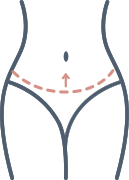
– Full abdominoplasty: commonly involves a low horizontal incision, removal of excess tissue, and repositioning of the umbilicus. Abdominal wall repair may be performed in selected cases.
– Mini abdominoplasty: may be considered when laxity is mainly below the navel and less correction is required.
– Panniculectomy: may be considered in selected situations where the primary concern is an overhanging skin fold (with or without functional symptoms).
– Adjunct liposuction (selected cases): may be used to address surrounding tissue distribution, depending on safety and individual anatomy.

Your surgeon will explain recommended incision placement, expected scarring, and the trade-offs of each approach during consultation.

Anesthesia
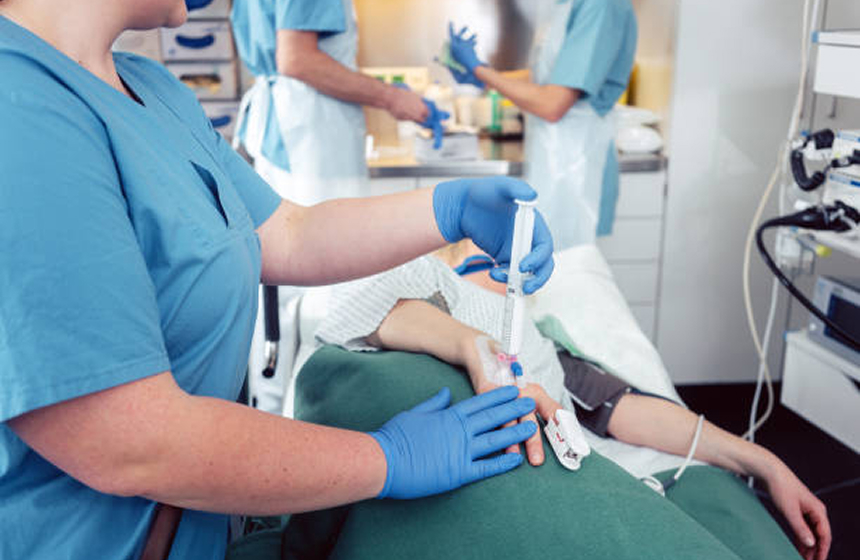
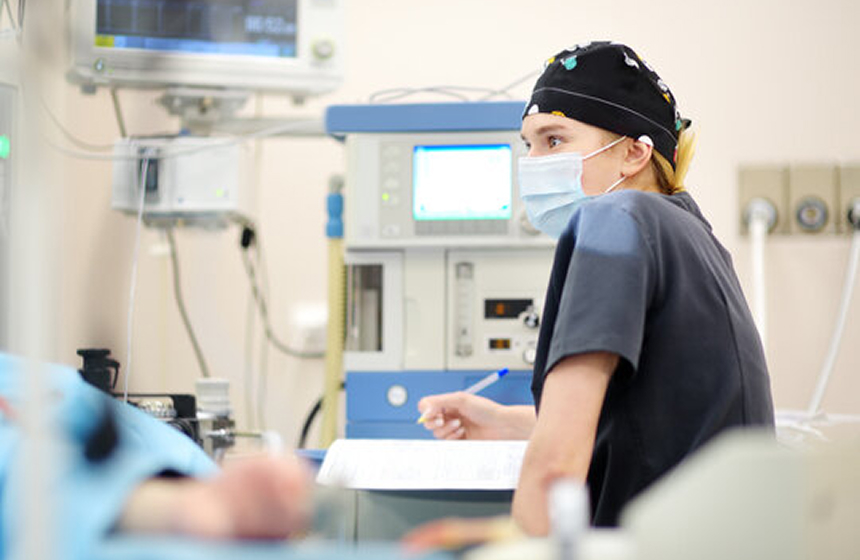
Abdominoplasty is commonly performed under general anaesthesia. The anaesthesia plan depends on the extent of surgery, individual health factors, and facility protocols, and will be discussed during consultation.

What your surgeon will cover in consultation
Your surgeon will explain:

– Recommended incision placement and expected scar location/length
– Whether umbilical repositioning is likely
– Whether abdominal wall repair is being considered and why
– The trade-offs of each approach (e.g., scar length vs degree of tightening)
– Expected recovery considerations, potential risks, and what results may realistically look like for your anatomy

Pre-Operative Preparations

Preparation typically includes:

– Medical review: health history, medications and supplements, and relevant investigations where required.
– Medication guidance: you may be asked to stop certain medications/supplements that can increase bleeding risk (where clinically appropriate).
– Nicotine cessation: nicotine can impair healing; you may be asked to stop smoking/vaping/nicotine products for a specified period before and after surgery.
– Fasting instructions: follow the facility’s requirements prior to anaesthesia.
– Support planning: arrange transport and post-operative support after discharge.

Recovery Milestones

Return to Work: Timing varies depending on the extent of surgery and your role. Your surgeon will provide guidance based on your procedure and recovery.
Return to Exercise: Light activity may be resumed as advised. Strenuous exercise, heavy lifting, and core-loading activities are typically restricted for a period determined by your surgeon, especially if muscle repair was performed.
Appearance over time: Swelling reduces gradually and scars mature over months. There is no single timeline that applies to everyone.

Resources & Guides

A breast augmentation is a very customized procedure, and selecting an experienced surgeon is paramount. Dr. Lajevardi focuses on patient safety, naturally appearing results, and transparency throughout the process.

Frequently Asked Questions

Procedure & Results

Do I need imaging?

Imaging is recommended in some situations and depends on symptoms, examination findings and your history.
Examination can provide clues, but imaging is often needed to confirm.
Changes in breast shape, firmness, swelling, discomfort, or concerns about implant integrity warrant assessment.

Pain & Recovery

Is the exam painful?

Most examinations are tolerable, but sensitivity varies. Tell your clinician if you are uncomfortable.
You can discuss concerns during the consultation; the assessment can be paced to your comfort.

Safety & Credentials

How do I verify practitioner registration?

Check the AHPRA public register and ask about experience with implant monitoring and management.
Imaging is performed by appropriate radiology providers; referrals are discussed during consultation.
Any surgical or invasive procedure carries risks. Before proceeding, you should seek a second opinion from an appropriately qualified health practitioner.