MED0001602957. This website contains imagery that is only suitable for audiences 18+. Any surgical or invasive procedure carries risks.

Diabetic Foot Treatment

Diabetic Foot Assessment and Treatment Options in Sydney

Overview

Diabetic foot problems can include ulcers, infection, circulation issues, deformity and wound‑healing challenges. Early assessment is important to reduce the risk of complications. A consultation is required to assess the issue and determine appropriate management, which may include wound care, vascular assessment, off‑loading, or referral to other services.
Add volume to breasts

Add volume to breasts

Reduce sagging

Reduce sagging

Lift and tighten

Lift and tighten

Breast Augmentation

Reshape and contour

Why Consider Breast Augmentation?

  • Numerous women select breast augmentation to
  • Enlarge naturally small breasts
  • Re-establish lost volume post-pregnancy or weight gain
  • Refine asymmetry for a better-balanced look
  • Re-create a more youthful, full contour

While outcomes are not the same, the procedure can yield long-lasting enhancements in looks and confidence. But keep realistic expectations in mind—individual results are based on body type, implant choice, and healing.

Add volume to breasts

Add volume to breasts

Reduce sagging

Reduce sagging

Lift and tighten

Lift and tighten

Breast Augmentation

Reshape and contour

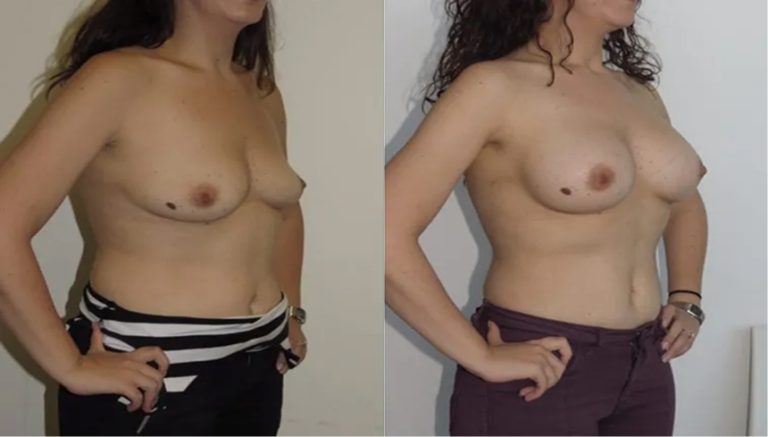
Before & After

The outcomes shown are only relevant for this patient and do not necessarily reflect the results other patients may experience, as results may vary due to many factors including the individual’s genetics, diet and exercise.

About This Procedure

Management depends on the underlying cause and severity. Treatment may involve medical wound care, infection control, pressure off‑loading, optimisation of blood glucose, and assessment of circulation. Some cases require multidisciplinary care. Outcomes vary and depend on severity, circulation, infection status and adherence to the care plan.

Key Benefits

The aim of treatment is to support wound management and reduce the risk of complications where possible. Potential outcomes may include:
Support for wound healing in some patients (not guaranteed).
Reduction of pressure at ulcer sites through off‑loading strategies.
Management of infection and prevention of deterioration where clinically appropriate.
In selected cases, correction of deformity that contributes to recurrent ulceration.
Outcomes depend on circulation, glycaemic control, infection status, nutrition, smoking status, and adherence to care.

Complete Vein Guide

Get step-by-step insights, recovery tips, and expert recommendations for your Vein. Download our free guide today.

vein-treatments-icon

Ideal Candidate

Suitability depends on the specific problem (ulcer, infection, deformity, circulation issues) and overall health. A suitable candidate is typically an adult who:
  • Has diabetes with a foot wound, pain, skin changes or other concerns requiring assessment.
  • Understands that management may require ongoing care and referrals.
  • Is willing to follow off‑loading, wound care and monitoring recommendations.

You May Be a Good Candidate If

You may be a good candidate if you:

  • You have a diabetic foot ulcer, recurrent pressure points, or foot deformity requiring assessment.
  • You can attend regular reviews and follow wound care and off‑loading instructions.
  • You are working with your healthcare team to manage diabetes and related conditions.

Who Should Not Undergo This Procedure

This procedure/treatment may not be appropriate if you:

  • This depends on the proposed intervention. Some procedures may not be suitable with uncontrolled infection, poor circulation without revascularisation options, or medical conditions that make surgery unsafe.
  • Emergent symptoms (fever, rapidly spreading redness, severe pain, black tissue, or sudden loss of circulation) — seek emergency care immediately.
  • Expectation of a quick fix without ongoing care where clinically required.

Surgical Techniques & Approaches

Technique selection is individual and based on your anatomy, goals and safety considerations. Options may include:

  • Clinical assessment and wound evaluation: includes infection and circulation screening.
  • Off‑loading strategies: may include footwear changes or devices to reduce pressure on wounds.
  • Referral and investigations: blood tests, imaging, and vascular studies may be recommended depending on findings.
Your clinician/surgeon will explain the recommended approach and expected trade‑offs during consultation.

Surgical Techniques & Approaches

Technique selection is individual and based on your anatomy, goals and safety considerations. Options may include:

Anesthesia

Anaesthesia depends on the intervention. Many assessments and wound care procedures do not require general anaesthesia. Surgical interventions, if needed, are planned separately.

Pre-Operative Preparation

You will receive individual instructions. Common requirements may include:

Recovery Process

Recovery depends on the underlying condition and treatment plan. Wound healing can take weeks to months and varies significantly. Regular follow‑up is often required.

Timeline

Activity & Expectations

Assessment Day

Examination, risk assessment, and plan creation; urgent referral if infection/circulation concerns are identified.

First 1–2 Weeks

Wound care/off‑loading initiated; review frequency depends on severity.

Weeks 2–12+

Ongoing management and monitoring; healing timelines vary widely.

Ongoing

Prevention plan to reduce recurrence risk, including foot care and glycaemic control.

Recovery Milestones

Return to Activity

depends on off‑loading and wound status; activity may be restricted to protect healing.

Assessing outcome

healing timelines vary and depend on circulation, infection and overall health.

Resources & Guides

A breast augmentation is a very customized procedure, and selecting an experienced surgeon is paramount. Dr. Lajevardi focuses on patient safety, naturally appearing results, and transparency throughout the process.

Frequently Asked Questions

Procedure & Results

When should I seek urgent care?

If you have fever, rapidly spreading redness, severe pain, black tissue, or sudden colour/temperature changes in the foot, seek urgent medical care immediately.
Healing is possible in many cases, but outcomes vary depending on circulation, infection and adherence to the care plan.
Some patients do. Investigations depend on the assessment findings.

Pain & Recovery

Is treatment painful?

Pain varies. Some people have reduced sensation, while others have significant pain due to infection or inflammation.
Follow wound care and off‑loading instructions. Keep glucose controlled as advised and monitor for changes.

Safety & Credentials

Who should manage diabetic foot problems?

Care may involve a multidisciplinary team. Ask about experience in diabetic foot assessment and wound care.
Depending on severity, care may be in clinic, a wound care service, or hospital.
Any surgical or invasive procedure carries risks. Before proceeding, you should seek a second opinion from an appropriately qualified health practitioner.

Get Your Vein Guide

Enter your details below to access the free guide instantly.