MED0001602957. This website contains imagery that is only suitable for audiences 18+. Any surgical or invasive procedure carries risks.

Follicular Unit Extraction (FUE)

Follicular Unit Extraction (FUE) hair transplant in Sydney — assessment, process and recovery

Overview

Follicular Unit Extraction (FUE) is a hair restoration procedure where individual follicular units are harvested and transplanted to areas of thinning hair in selected patients. A consultation is required to confirm suitability, discuss donor area limits, scarring, expected timelines and risks.
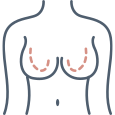
Add volume to breasts

Add volume to breasts

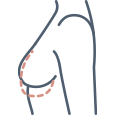
Reduce sagging

Reduce sagging

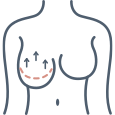
Lift and tighten

Lift and tighten

Breast Augmentation

Reshape and contour

Why Consider Breast Augmentation?

  • Numerous women select breast augmentation to
  • Enlarge naturally small breasts
  • Re-establish lost volume post-pregnancy or weight gain
  • Refine asymmetry for a better-balanced look
  • Re-create a more youthful, full contour

While outcomes are not the same, the procedure can yield long-lasting enhancements in looks and confidence. But keep realistic expectations in mind—individual results are based on body type, implant choice, and healing.

Add volume to breasts

Add volume to breasts

Reduce sagging

Reduce sagging

Lift and tighten

Lift and tighten

Breast Augmentation

Reshape and contour

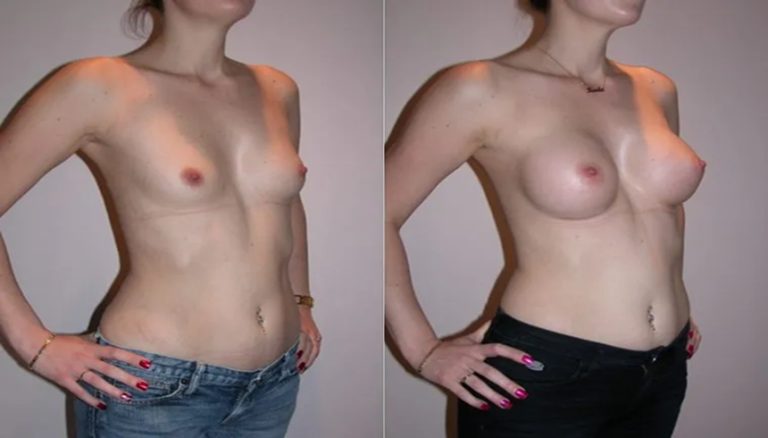
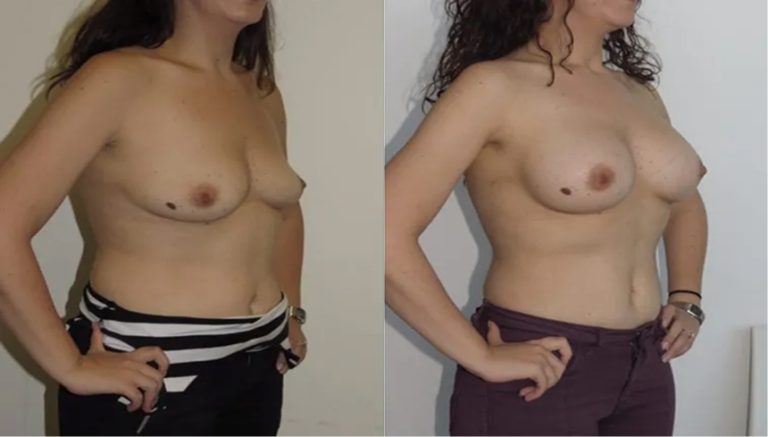
Before & After

The outcomes shown are only relevant for this patient and do not necessarily reflect the results other patients may experience, as results may vary due to many factors including the individual’s genetics, diet and exercise.

About This Procedure

FUE involves removing individual follicular units from a donor area (commonly the back/sides of the scalp) and placing them into recipient sites. It results in many small dot scars in the donor area and tiny recipient site scars; scarring is permanent and varies. Hair growth timelines vary and cannot be guaranteed.

Key Benefits

Potential benefits depend on anatomy, skin quality and the extent of treatment. They may include:
Redistribution of hair follicles to areas of thinning in selected patients (results vary).
Donor area harvesting without a long linear scar (however dot scarring occurs).
A staged plan may be discussed where hair loss pattern is progressive.
No result can be guaranteed. The likely degree of change, scar placement (if applicable) should be discussed during consultation. Transplantation does not stop ongoing hair loss in non‑transplanted areas; a long‑term plan may be discussed.

Complete Hair Guide

Get step-by-step insights, recovery tips, and expert recommendations for your Hair. Download our free guide today.
Reshape -The Breast

Ideal Candidate

A suitable candidate is typically an adult who:
  • Has hair loss pattern suitable for transplant and adequate donor density on assessment.
  • Is medically fit for the procedure and aftercare.
  • Understands scarring, timelines and variability.

You May Be a Good Candidate If

You may be a good candidate if you:

  • You have realistic expectations about density and coverage.
  • You understand that additional sessions may be needed.
  • You can follow aftercare and avoid trauma to grafts.

Who Should Not Undergo This Procedure

This procedure/treatment may not be appropriate if you:

  • Active scalp infection or uncontrolled inflammatory scalp disease.
  • Insufficient donor hair for the desired coverage.
  • Expectation of guaranteed density or “permanent” prevention of future hair loss.

Surgical Techniques & Approaches

Technique selection is individual and based on your anatomy, goals and safety considerations. Options may include:
  • Donor assessment and planning: determines safe harvest numbers and design.
  • FUE harvesting: individual follicular units extracted; dot scarring occurs.
  • Recipient site creation and implantation: angle/direction planned to match existing hair where possible.
Your clinician/surgeon will explain the recommended approach and expected trade‑offs during consultation.

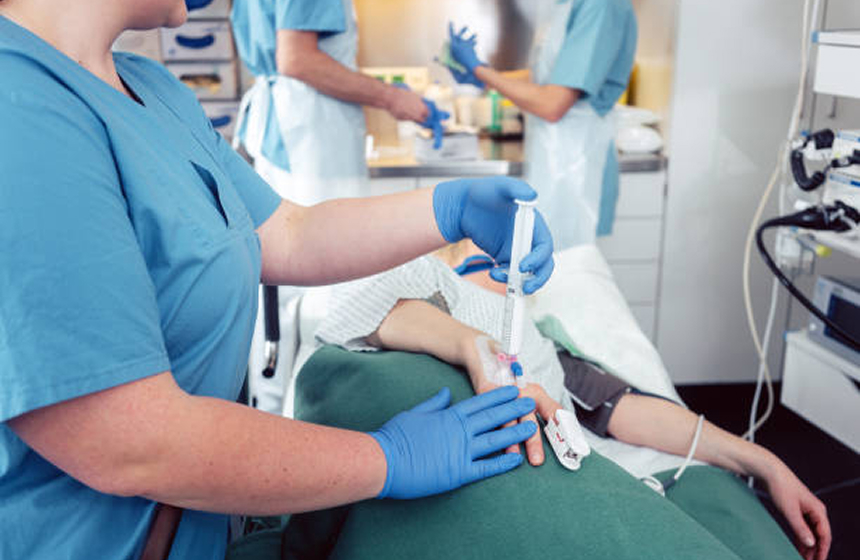
Anesthesia

Typically performed under local anaesthesia with sedation options depending on the case.

Pre-Operative Preparation

You will receive individual instructions. Common requirements may include:

Recovery Process

Donor and recipient sites usually form small scabs and redness which settle over days to weeks, but timelines vary. Temporary shedding of transplanted hairs is common. Risks include bleeding, infection, scarring, folliculitis, numbness, poor graft growth, unnatural direction/density if planning is suboptimal, and the possibility of revision or additional sessions.

Timeline

Activity & Expectations

Immediately Post‑Procedure
Redness, swelling and small scabs are expected. Donor area may feel sore.
First 7–14 Days
Scabs typically resolve. Avoid rubbing or picking grafts.
Weeks 2–12
Shedding phase can occur. Scalp sensitivity varies.
3–6 Months
Early regrowth may appear; density varies.
6–12+ Months
More mature growth develops; final outcomes assessed over 12+ months.

Recovery Milestones

Return to Work

often a few days to 1–2 weeks depending on visibility and comfort.

Return to Exercise

light activity may resume early; strenuous exercise is usually restricted for a period as advised.

Assessing outcome

commonly assessed over 6–12+ months.

Resources & Guides

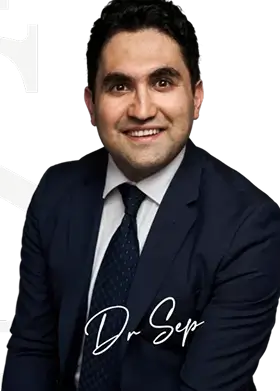
A breast augmentation is a very customized procedure, and selecting an experienced surgeon is paramount. Dr. Lajevardi focuses on patient safety, naturally appearing results, and transparency throughout the process.

Frequently Asked Questions

Procedure & Results

Will I have scars?

Yes. FUE causes many small dot scars in the donor area and tiny recipient scars. Visibility varies.
Transplanted follicles may persist, but ongoing hair loss in non‑transplanted areas can occur. Long‑term planning may be needed.
Risks include infection, poor growth, shock loss, scarring concerns, altered sensation and asymmetry in density.

Pain & Recovery

Is it painful?

Local anaesthesia reduces discomfort during the procedure. Post‑procedure soreness varies.
Timing depends on graft security and aftercare instructions; your team will advise.

You may be advised to sleep with head elevation initially to reduce swelling.

Safety & Credentials

Who performs the procedure?

Hair transplant procedures should be performed by appropriately qualified practitioners with relevant training.
Check the AHPRA public register and ask about experience with FUE techniques.
Any surgical or invasive procedure carries risks. Before proceeding, you should seek a second opinion from an appropriately qualified health practitioner.

Get Your Hair Guide

Enter your details below to access the free guide instantly.