
Top Surgery (Chest Surgery)
Top Surgery in Sydney: Chest Masculinisation and Feminisation Procedures
Overview
“Top surgery” is a broad term used to describe procedures that modify chest contour as part of gender affirmation care. Depending on individual goals and anatomy, top surgery may involve chest masculinisation (removal of breast tissue and skin) and/or chest feminisation (adding volume using implants and/or fat transfer). A consultation is required to assess suitability, discuss options, and explain scarring, risks, recovery, and expected variability in outcomes.
Add volume to breasts
Reduce sagging
Lift and tighten
Reshape and contour
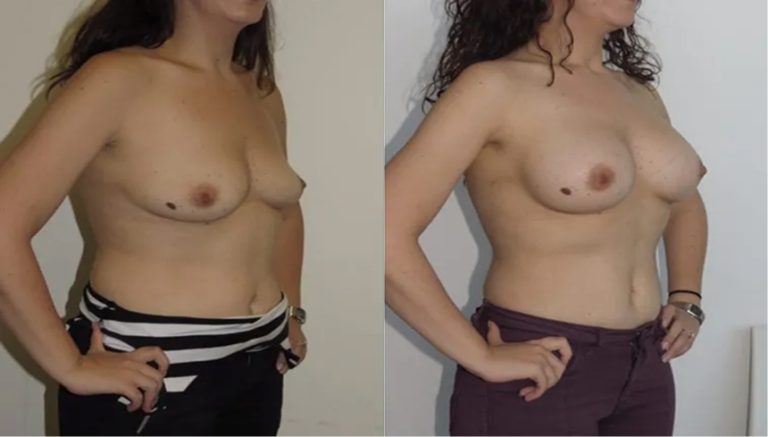
Before & After
The outcomes shown are only relevant for this patient and do not necessarily reflect the results other patients may experience, as results may vary due to many factors including the individual’s genetics, diet and exercise.
Breast Augmentation
Implant Size: 300cc – 450cc
Recovery Timeline: 1–2 weeks light
Tags: Breast Enhancement, Cosmetic Surgery
Breast Augmentation
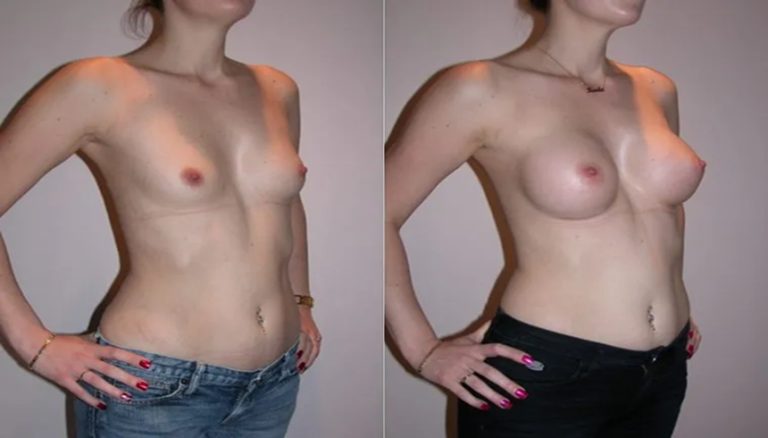
Implant Size: 300cc – 450cc
Recovery Timeline: 1–2 weeks light
Tags: Breast Enhancement, Cosmetic Surgery
Breast Augmentation
Implant Size: 300cc – 450cc
Recovery Timeline: 1–2 weeks light
Tags: Breast Enhancement, Cosmetic Surgery

Breast Augmentation
Implant Size: 300cc – 450cc
Recovery Timeline: 1–2 weeks light
Tags: Breast Enhancement, Cosmetic Surgery
Breast Augmentation
Implant Size: 300cc – 450cc
Recovery Timeline: 1–2 weeks light
Tags: Breast Enhancement, Cosmetic Surgery
Breast Augmentation
Implant Size: 300cc – 450cc
Recovery Timeline: 1–2 weeks light
Tags: Breast Enhancement, Cosmetic Surgery

About This Procedure
Top surgery is not a single operation. It includes different procedures depending on whether the goal is to create a flatter chest contour or to add chest volume.
Common terms used in consultation include:
- Chest masculinisation (FTM top surgery): commonly referred to clinically as mastectomy (with technique selection based on chest size, skin quality, and nipple position).
- Chest feminisation (MTF top surgery): commonly referred to clinically as breast augmentation (using implants and/or fat transfer in selected cases).
Your surgeon will explain the procedure options that may be suitable for you, including likely scar placement and expected limitations based on your anatomy.
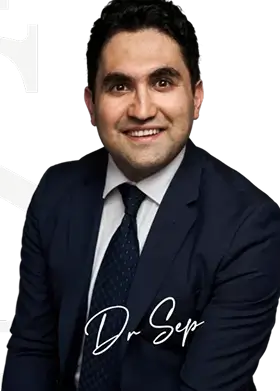
Your Consultation with Dr Lajevardi
Dr Sepehr Lajevardi is a highly skilled and experienced plastic surgeon, dedicated to providing exceptional results to each patient. He takes a caring approach, working with patients to create an individualised treatment plan that helps them feel confident in their outcomes. Book your appointment to receive professional care and guidance from Dr Lajevardi, and find out if breast augmentation surgery is right for you.
Key Benefits
The goal of a brow lift is to address specific structural features identified at assessment. Potential physical changes may include:
Reduction of upper‑lid hooding contributed to by brow position (where relevant).
Change in forehead contour and soft tissue drape (individual variation applies).
Symmetry cannot be guaranteed, and outcomes vary with anatomy and healing.
Complete Transgender Guide
Get step-by-step insights, recovery tips, and expert recommendations for your Transgender. Download our free guide today.
Ideal Candidate
A suitable candidate is generally a healthy adult who has concerns related to brow position or forehead tissue laxity, understands that outcomes vary, and is comfortable with the presence of scars and recovery time.
You May Be a Good Candidate If
- You have brow position concerns that are not adequately addressed by non‑surgical options.
- You would like assessment for brow position and upper‑face changes.
- You understand that scars are permanent and vary in appearance.
- You can take time for recovery and attend follow‑up appointments.
- You do not smoke or can cease nicotine use as directed.
Who Should Not Undergo This Procedure
This procedure/treatment may not be appropriate if you:
- Uncontrolled medical conditions increasing risk.
- Inability to stop nicotine use when required.
- Expectation of a scar‑free or guaranteed outcome.
Surgical Techniques & Approaches
Chest Masculinisation (FTM Top Surgery) – Mastectomy (selected cases)
Technique selection depends on chest volume, skin elasticity, and nipple position. Options may include:
Double incision mastectomy with nipple grafting (selected cases):
Often used for medium to larger chests or where significant skin reduction is required. Typically results in horizontal chest scars. The nipple–areolar complex may be resized and repositioned, and sensation may be reduced or altered.
Periareolar / “keyhole” mastectomy (selected cases):
Considered for smaller chests with good skin elasticity. Incisions are typically around the areola. This approach may have less visible scarring, but it may not allow the same degree of skin removal or nipple repositioning as other techniques.
Chest Feminisation (MTF Top Surgery) – Breast Augmentation (selected cases)
Options may include:
Breast implants (selected cases):
Implants may be placed in a position determined by your anatomy and clinical factors (e.g., above or below the muscle). Implant type and sizing are discussed during consultation.
Autologous fat transfer (selected cases):
Fat may be harvested via liposuction from another area of the body and transferred to the chest. This may be used for modest volume change or to refine contour. Fat graft retention varies, and more than one session may be required.
Your surgeon will discuss the trade-offs of each approach, including scarring, sensation changes, and the likelihood of revision procedures in some cases.
Anaesthetic
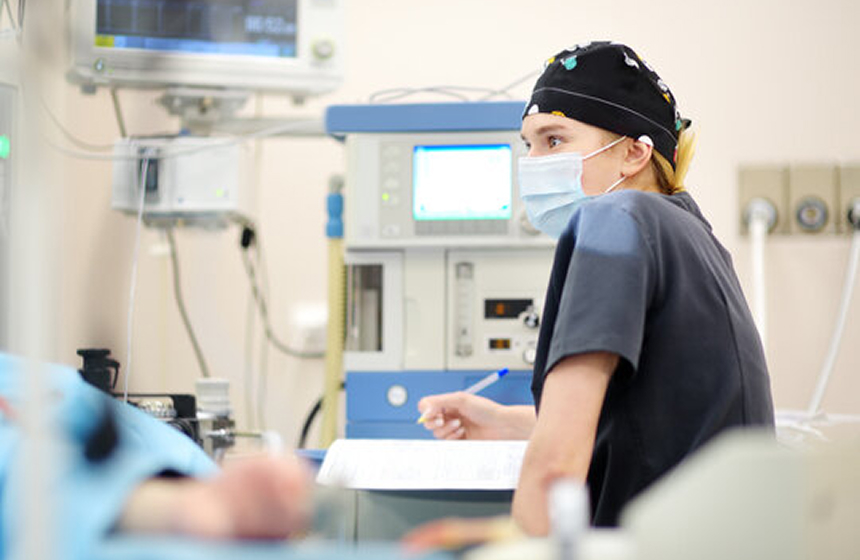
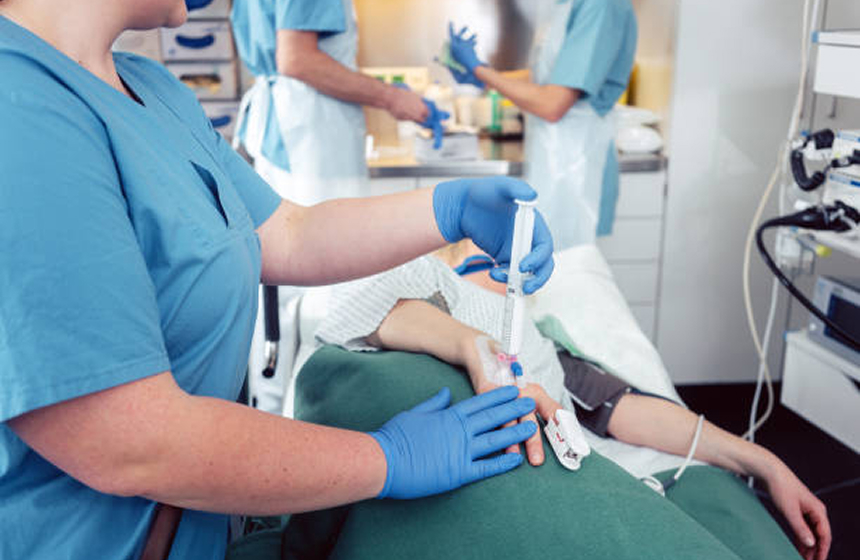
Top surgery is typically performed under general anaesthesia in an appropriately accredited hospital facility. Anaesthetic planning and hospital requirements are confirmed after your clinical assessment and surgical plan.
Suitability
Suitability is assessed during consultation and depends on medical history, anatomy, and the procedure planned. In general, patients may be considered if they:
- Are medically suitable for surgery and general anaesthesia
- Understand that outcomes vary and scars are permanent
- Have realistic expectations about symmetry, sensation, and recovery
- Are able to follow aftercare instructions and attend follow-up
Smoking and nicotine use can significantly increase the risk of complications (including wound healing problems and nipple graft compromise where grafts are used). You may be asked to stop nicotine in advance.
Expected Scarring & Incisions
All surgical procedures create scars, and scar quality varies between individuals.
- Chest masculinisation: scars may be around the areola, across the chest, and/or at the sides depending on technique and skin removal required.
- Breast augmentation: scars depend on incision location and may be in areas such as the fold beneath the breast, around the areola, or the armpit (approach varies by patient and surgeon preference).
- Fat transfer: includes small liposuction entry points at donor sites and injection points on the chest.
Scars are permanent but typically fade over time. Some individuals may develop thicker or more visible scars.
Risks & Considerations
All surgery carries risks, and outcomes vary. Your surgeon will discuss risks relevant to your procedure plan and health profile. Potential risks may include:
General surgical risks
- Bleeding, bruising, infection, delayed healing
- Scarring concerns (including hypertrophic or thickened scars in some people)
- Adverse reaction to anaesthesia
- Asymmetry or contour irregularities
- Changes in sensation (temporary or permanent)
Chest masculinisation (mastectomy) considerations (selected cases)
- Nipple graft loss or partial loss (risk increased with nicotine use and some health factors)
- Reduced or altered nipple sensation (common where grafting is performed)
- Fluid collection (seroma), wound separation, or revision surgery
Breast augmentation considerations (selected cases)
- Capsular contracture, implant malposition, implant rupture/leak over time
- Need for future implant surgery (implants are not considered lifetime devices)
- Breast implant associated risks, which will be discussed during consent
- Variable fat retention, asymmetry, need for repeat sessions
- Lumps, firmness, oil cysts, or fat necrosis
Recovery & Aftercare
Recovery varies depending on procedure type, technique, and individual healing response.
Chest masculinisation (selected cases):
- Compression garments may be used for a period.
- Drains may be required in some cases (duration varies).
- Arm movement and lifting restrictions are common early in recovery.
Breast augmentation (selected cases):
- Chest tightness and soreness are common early.
- Activity restrictions are typically required for several weeks.
- Implant position may continue to settle over time, and swelling resolves gradually.
Your surgeon will provide tailored aftercare instructions, including wound care, activity guidance, and scar management options once incisions are healed.
Fees & Inclusions
Fees vary depending on the procedure, technique, hospital and anaesthetist fees, and whether additional steps (e.g., grafting, drains, implants, or fat transfer) are required. A detailed written quote and financial consent are provided after consultation once the surgical plan is confirmed.
Medicare/private health insurance coverage depends on item numbers and clinical indications and will be discussed with you.
Resources & Guides
A breast augmentation is a very customized procedure, and selecting an experienced surgeon is paramount. Dr. Lajevardi focuses on patient safety, naturally appearing results, and transparency throughout the process.
Patient Preparation Guide
Procedure Walkthroughs
Patient Preparation Guide
Frequently Asked Questions
Will nipple sensation change?
Sensation changes are possible with any chest surgery. With double incision mastectomy and nipple grafting, sensation is often reduced or altered and may be permanent. With other techniques, sensation may be more likely to be preserved, but numbness can still occur.
Do I need a referral?
If you are seeking Medicare rebates for a specialist consultation (where applicable), a valid referral is generally required. Our team can advise what you need when you enquire.
Do I need to be on hormones?
Hormone therapy status is considered as part of planning, but suitability is individual. Your surgeon will discuss how hormones may (or may not) affect timing and technique based on your goals and anatomy.
Can I breastfeed after chest masculinisation surgery?
Chest masculinisation procedures that remove glandular breast tissue typically reduce or remove the ability to breastfeed. This will be discussed during consultation.
Important Safety Information
About the Specialist
Dr Sepehr Lajevardi (AHPRA: MED0001602957)
Registered Medical Practitioner – Specialist Plastic Surgeon (Specialist Registration in Surgery – Plastic Surgery). Procedure selection, scarring, risks, realistic outcomes, and aftercare requirements are discussed during consultation.